Where to Stay in Kathmandu for First-Time Visitors?
Share:
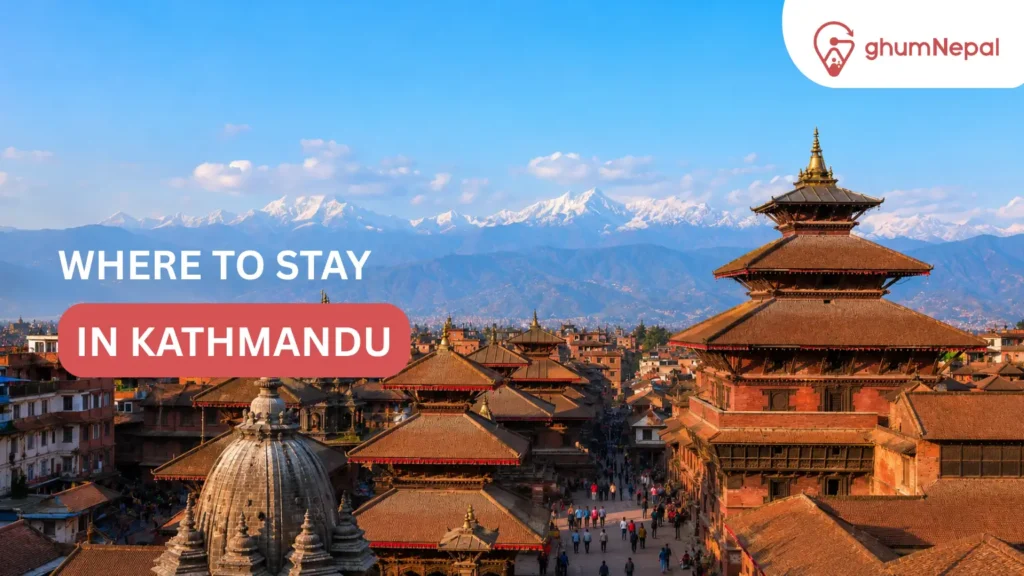
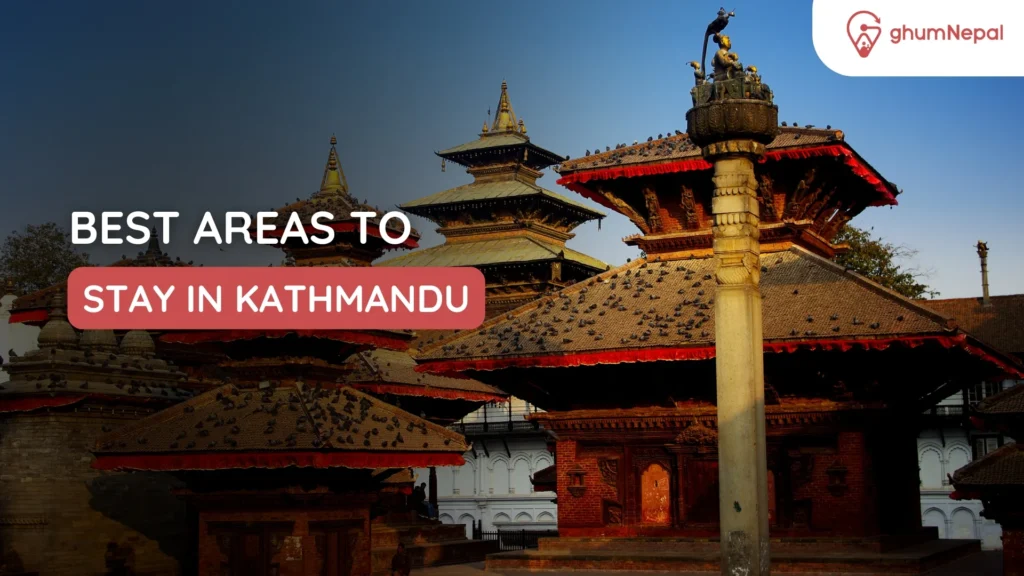
For a first-time visitor, the best area to stay in Kathmandu is Thamel. It is the city’s primary tourist hub, offering the highest concentration of hotels, restaurants, trekking agencies, and essential services like ATMs and SIM card shops within walking distance.
If you prefer a quieter, more upscale experience that is still close to the action, Lazimpat is the top alternative. For those seeking cultural immersion and a historic atmosphere away from the tourist crowds, Patan (Lalitpur) is the best choice for a boutique heritage experience.
If you’re wondering where to stay in Kathmandu for first-time visitors, your choice of neighborhood will shape your entire experience.
Kathmandu doesn’t greet you gently; it grabs you. It is a “wonderful assault on the senses” where ancient temples meet trekking shops and incense mingles with motorbike fumes.
For first-time visitors, the city is vibrant but can be overwhelming if you land in the wrong area. Choosing the right neighborhood is the difference between a magical arrival and an exhausting one. Staying too far from essentials means wasting hours in traffic; staying too close to the nightlife means losing sleep.
This guide helps you find your “base camp.” While there are many best areas to stay in Kathmandu, first-timers have specific needs: easy airport access, proximity to trekking hubs, and reliable infrastructure.
Why Your Neighborhood Choice Defines Your Kathmandu Experience?
Your neighborhood choice manages your “sensory budget.” In 2026’s rapidly digitizing Kathmandu, picking the right base is the difference between a magical start and a logistical nightmare.
- Beat the Traffic: Gridlock is legendary. Staying walking distance from “must-sees” like Thamel’s trekking shops or Boudha’s Stupa saves hours of daily frustration.
- Reliable Infrastructure: While the grid is stable, localized cuts happen. Tourist hubs offer the 24-hour power backup and hot water that residential areas lack.
- The “Soft Landing” Buffer: Hubs like Thamel and Lazimpat provide English-speaking hospitality and help with local tech like Yango or Pathao apps.
- Essential Proximity: On Day 1, you need ATMs, eSIM activations, and gear. A central stay puts these “survival” items within a 5-minute walk.
- A Sanctuary from Noise: Strategic spots like North Thamel or Patan’s alleys offer a quiet retreat from the city’s high-energy bustle.
Pro Tip: In 2026, treat your hotel as a sanctuary. Look for 5G connectivity and reliable backup power to keep the best of the city at your doorstep.
What You Should Check Before Booking a Hotel in Kathmandu?
In 2026, comfort requires a mix of high-tech services and old-world reliability. Run your shortlist through these essential checks before you book:
- 24-Hour Power Backup: Non-negotiable for keeping 5G Wi-Fi active and showers hot during localized maintenance outages.
- English-Speaking “Local Fixers”: Look for staff who can help you navigate the “New Nepal,” from setting up ride-sharing apps to explaining trekking permits.
- 10-Minute Walkability: Ensure international ATMs, Ncell/NTC shops for SIMs, and pharmacies are right outside your door to avoid traffic.
- Noise Mitigation: Check reviews for “soundproofing” or “double-glazed windows” a lifesaver for beating jet lag in a city of temple bells and motorbikes.
- Airport Pickup: Always take the hotel pickup. It’s the ultimate “soft landing,” bypassing taxi negotiations so you can get straight to your bed.
Which Area is Best to Stay in Kathmandu? A Neighborhood Breakdown
Kathmandu is a city of very different worlds within a few kilometers of each other. Each neighborhood has a distinct personality. Here are the top four areas for first-time visitors, ordered from easiest to navigate to most adventurous.
1. Thamel – The Beating Heart of Tourism
- Vibe: High energy, neon lights, and trekking shops.
- Why stay here: It is the city’s undisputed hub. Everything a first-timer needs ATMs, SIM cards, trekking gear, and global food is within a 5-minute walk. Major sites like the Garden of Dreams and Kathmandu Durbar Square are just minutes away.
- First-Timer Tip: Stay in North Thamel or Chhetrapati to enjoy the convenience without the 1:00 AM bar noise.
2. Lazimpat – Quiet Comfort & Mid-Range Luxury
- Vibe: Upscale, leafy, and relaxed.
- Why stay here: Just a 15-minute walk from Thamel, Lazimpat is home to embassies and boutique hotels. It’s significantly quieter and less dusty, making it the best choice for families and business travelers.
- First-Timer Tip: Perfect for your first night in Nepal if you want to ease into the culture gently after a long flight.
3. Patan (Lalitpur) – The Artistic Hub
- Vibe: Ancient Newari courtyards and artisan workshops.
- Why stay here: Across the Bagmati River, Patan offers an authentic immersion into “Real Nepal.” You’ll wake up to temple bells rather than motorbikes. It is home to Patan Durbar Square, a UNESCO site arguably more beautiful than Kathmandu’s own.
- First-Timer Tip: Best for “Slow Travelers” or those returning to Nepal who want a boutique heritage experience.
For those looking for a similar escape from the city buzz, exploring a home stay near Kathmandu can offer a refreshing perspective on Newari life.
4. Boudha – Spiritual Serenity
- Vibe: Peace, incense, and Tibetan Buddhist culture.
- Why stay here: Centered around the massive Boudhanath Stupa, this area is a haven for yoga and meditation lovers.
- Note on Logistics: The distance from Thamel to Boudha is 7km, but traffic can turn this into a 45-minute commute. Stay here if you want a retreat, not a sightseeing hub.
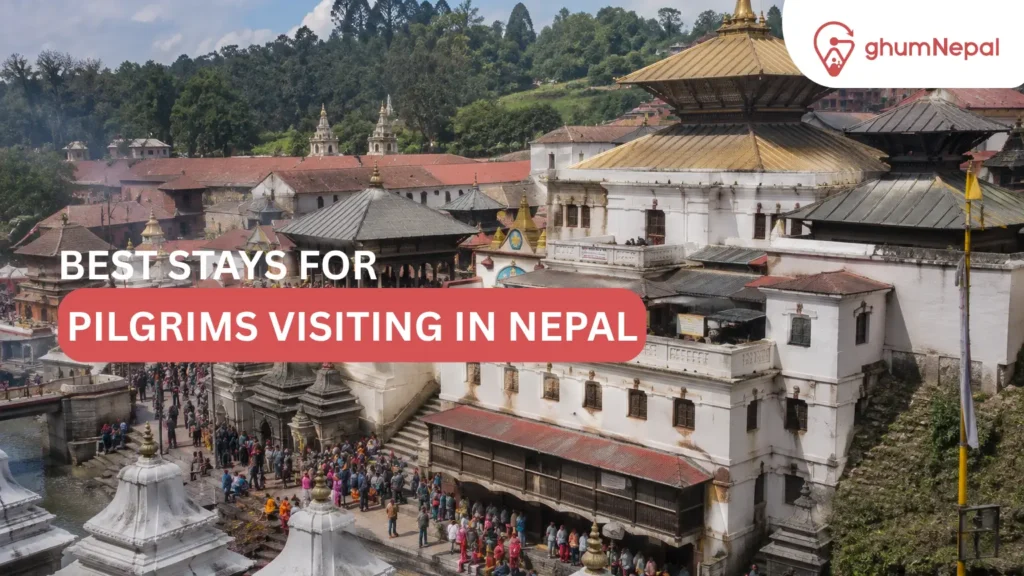
Boudha is a major hub for those seeking pilgrim accommodation in Nepal, offering a unique atmosphere centered around Buddhist traditions.
5. Bhaktapur – The Living Medieval Museum
- Vibe: Timeless, brick-paved, and deeply traditional.
- Why stay here: If you want to wake up in the 15th century, Bhaktapur is unparalleled. Largely car-free and preserved in red brick and woodcarving, it is much quieter than Kathmandu. Staying overnight allows you to experience the city after the day-trip crowds leave, when the pottery squares and ancient temples feel most magical.
- First-Timer Tip: There is a mandatory tourist entry fee (~$15) to enter the city. It is perfect for photography enthusiasts and those who want a “Slow Travel” experience, but it is roughly 13km from Thamel, making it less ideal if you have a busy sightseeing schedule in central Kathmandu.
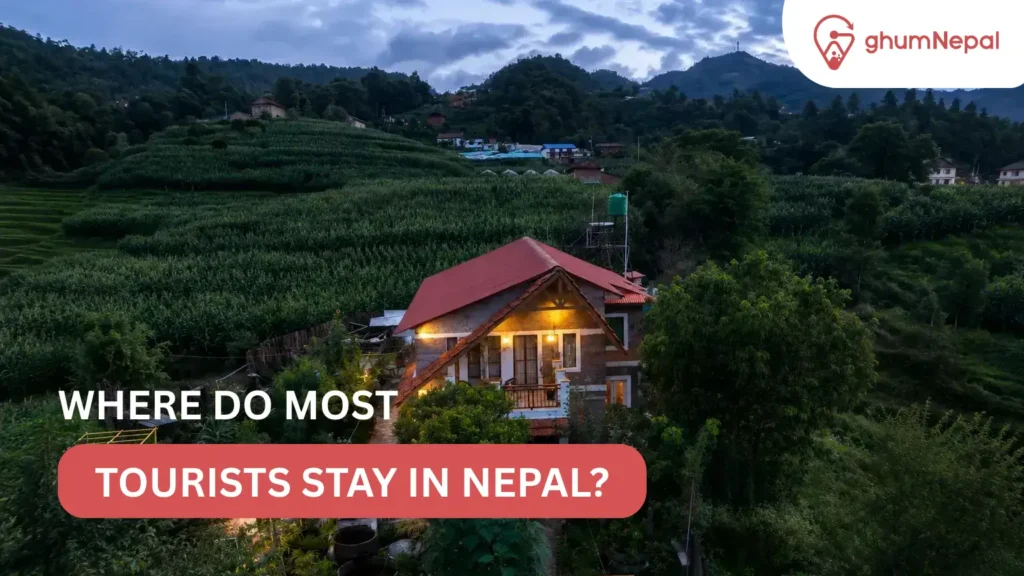
If your journey extends beyond the capital, check our overview of where tourists stay in Nepal to plan your full itinerary.
Kathmandu Accommodation by Budget: From $10 Hostels to Luxury Heritage Hotels
One of the great things about Kathmandu is that every budget is genuinely catered for. Here is what to expect at each level, along with some well-known options to look up.
Kathmandu caters to every wallet. Here is what to expect in 2026:
Budget Stay Options in Kathmandu
- Budget ($10–$30): Hostels, basic guesthouses (Alobar1000, Yakety Yak)
- Mid-range ($40–$80): Comfortable hotels with backup power (Kathmandu Guest House)
- Luxury ($100+): Heritage hotels and 5-star stays (Dwarika’s, Marriott)
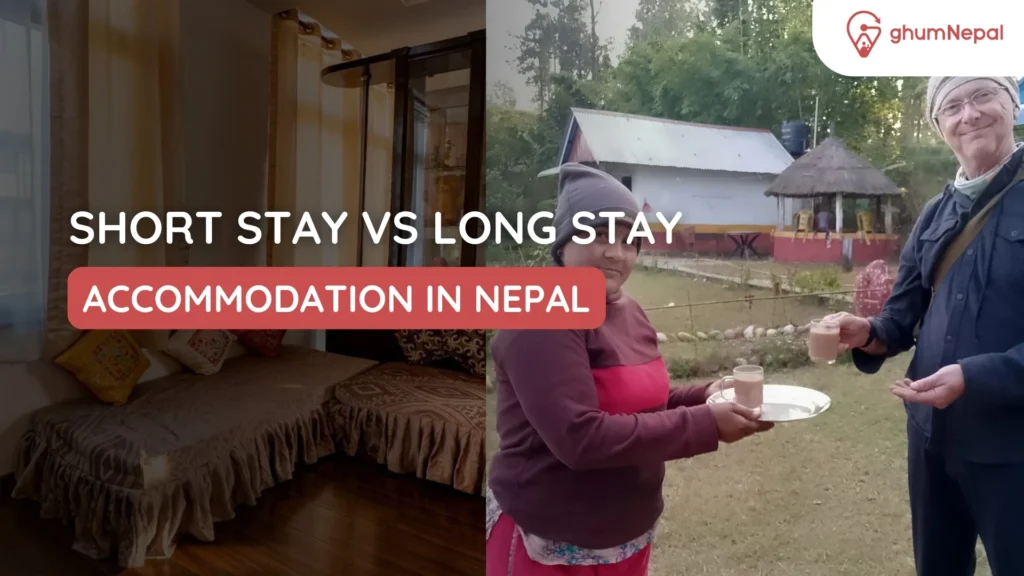
ghumNepal lists homestays across Kathmandu that offer a warm, personal experience often including home-cooked Nepali meals at mid-range prices. They are frequently the most memorable accommodation choice of any trip to Nepal.
Price Check: To help you budget, a ride-share car from Thamel to Patan usually costs NPR 500–700, while a bike ride is around NPR 250. If a street taxi asks for more than double that, show them your ride-sharing app to negotiate!
How Do I Get From Kathmandu Airport to My Hotel?
Your first 30 minutes in Kathmandu can be overwhelming. Here is how to navigate the transition from the airport to your hotel smoothly.
1. Pre-booked Pickups (The Stress-Free Choice)
The easiest landing strategy is to ask your hotel for an airport pickup.
The Benefit: You’ll have a driver waiting with your name on a sign.
- The Cost: Often free for mid-range stays or a flat fee ($5–$15). It’s worth every penny to avoid the “taxi hustle” at the exit.
2. Ride-Sharing Apps (For Fair Pricing)
Avoid the unmetered taxi negotiation by using Pathao, InDrive, or the newest market leader, Yango.
- Yango (The 2026 Choice): Known for the lowest fares, with bike rides starting at NPR 40 and cars at NPR 180.
- Transparent: You see the fixed price before you book.
- Tip: Download these apps before you land. You can grab a local SIM card (Ncell/NTC) at the airport arrival hall to get online immediately.
3. Seasonal Planning: Peak Windows
Kathmandu’s demand follows the trekking seasons. Autumn (Oct–Nov) and Spring (Mar–May) are extremely busy.
- The Rule: Book your stay 2–3 weeks in advance during these peaks.
- Note: Even budget guesthouses in Thamel sell out during October, so don’t wait until you land to find a room.
At-a-Glance: Which Kathmandu Neighborhood is Right for You?
| Neighborhood | Best For | Vibe | Price (Avg. Night) |
| Thamel | Backpackers & Trekkers | Energetic / Busy | $15 – $80 |
| Lazimpat | Families & Couples | Quiet & Upscale | $45 – $150 |
| Patan | Culture & Slow Travel | Authentic / Artisan | $30 – $100 |
| Boudha | Spiritual Seekers | Peaceful / Zen | $20 – $70 |
| Bhaktapur | History & Photography | Medieval / Living Museum | $15 – $50 |
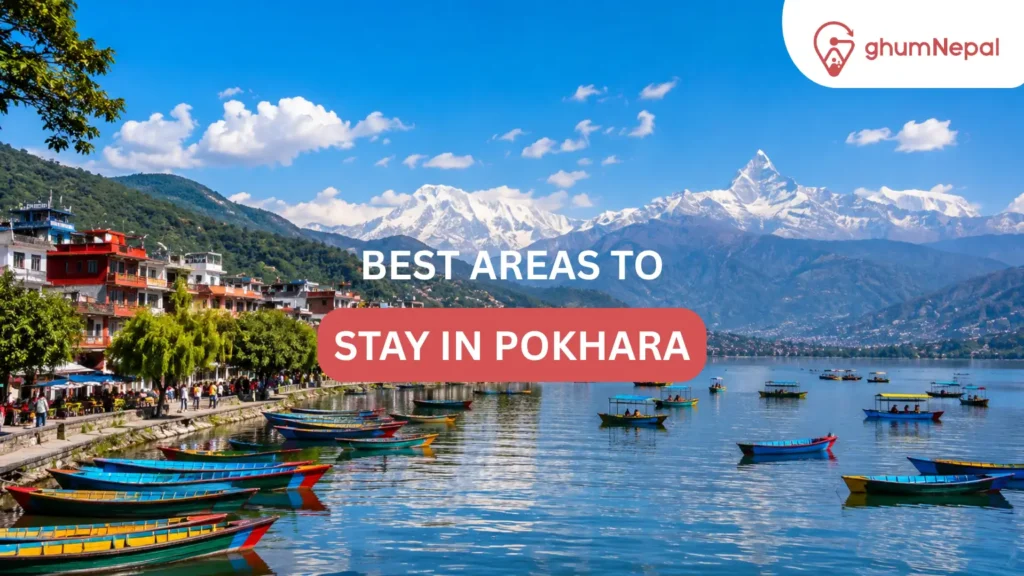
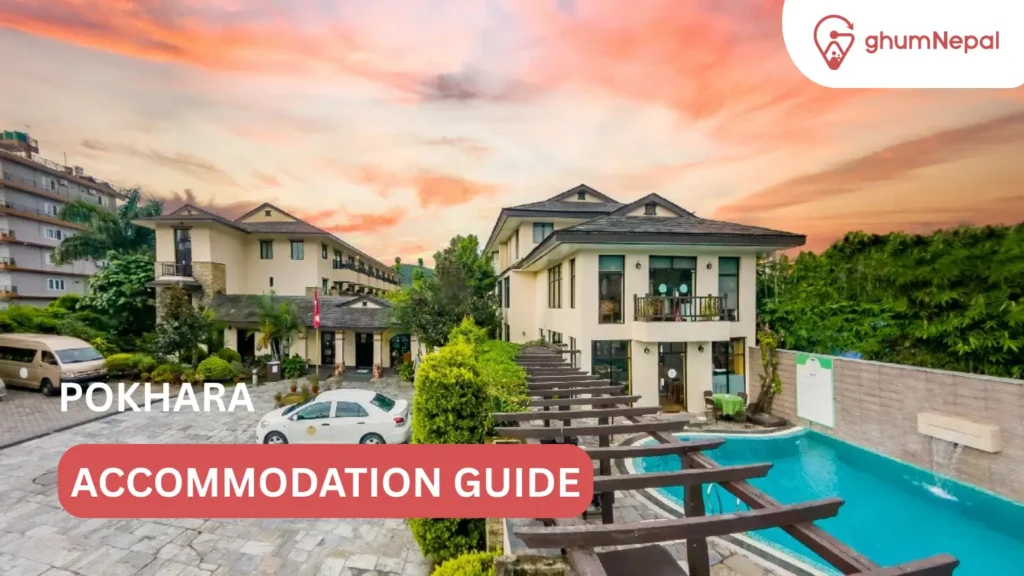
Once you’ve mastered Kathmandu, most travelers head west. Make sure to read our Pokhara accommodation guide or compare the best areas to stay in Pokhara to find your lakeside retreat.
Essential Tips for First-Time Visitors in Kathmandu
Essential things to know before your first night in Kathmandu.
- The Water Rule: Never drink tap water. Stick to bottled water or the filtered dispensers provided by your hotel.
- Earplugs for Thamel: Even “quiet” streets can be noisy until midnight. Pack earplugs to ensure you get some sleep on your first night.
- The 7km Commute: The distance from Thamel to Boudha is short, but traffic is heavy. Allow 45 minutes for travel, especially during peak hours (8–10 AM and 5–7 PM).
- Power & Hot Water: Always confirm at check-in that your specific room is connected to the 24-hour power backup. Some hotel generators only power common areas.
- Cash: Most local vendors and rickshaws cannot change large notes. Keep a stash of NPR 100 and 500 bills for daily expenses.
- Temple Etiquette: Dress modestly. Ensure your shoulders and knees are covered when visiting sacred sites like Pashupatinath. A lightweight scarf is a handy “quick fix” for your day bag.
- 5G & eSIMs: As of 2026, 5G is standard in Thamel, Lazimpat, and Patan. Instead of swapping physical cards, ask for an eSIM at the airport. It’s faster and allows you to keep your home number active for bank OTPs.
- Load-Shedding Update: While the government has significantly reduced power cuts in 2026, minor local outages still happen. A hotel with 24-hour backup remains a non-negotiable for consistent 5G Wi-Fi.
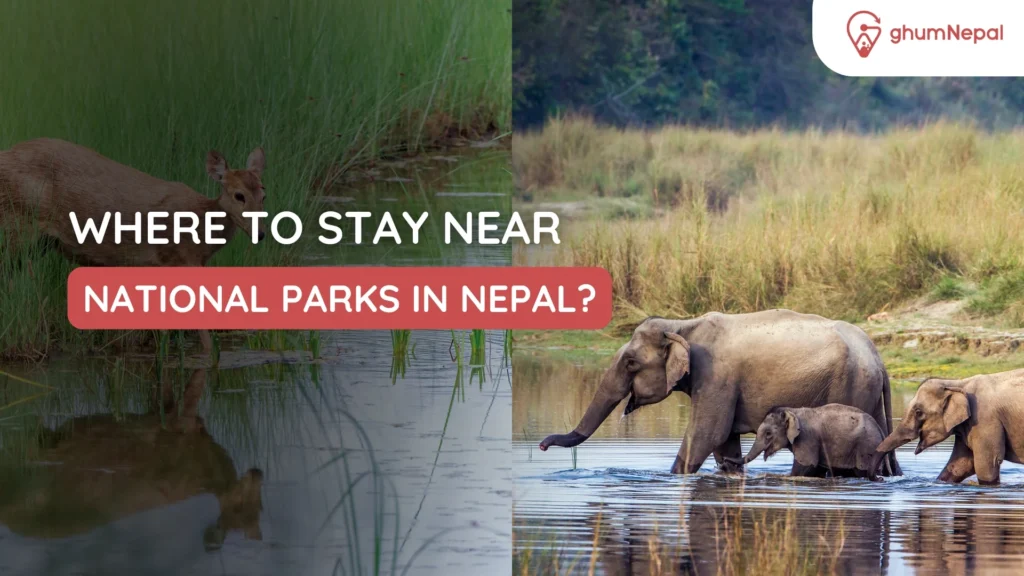
If the city dust gets to be too much, consider a wilder escape. You can find luxury and eco-lodges when you stay near national parks in Nepal like Chitwan or Bardia.
Dust Tip: Kathmandu can be dusty. Carry a comfortable N95 mask or a buff for walking through Thamel or during your commute to Boudha; your lungs will thank you.
Book Your Kathmandu Stay with ghumNepal
Skip the generic listings. ghumNepal connects you with vetted accommodations that understand the needs of a modern traveler:
- Vetted Reliability: We prioritize Kathmandu hotels with 24-hour power backup.
- Local Homestays: Access unique home stays near Kathmandu for authentic culture and home-cooked meals.
- Local Expertise: Get real-time advice on everything from 5G speeds to the best local eateries.
- Support Local: Your booking directly benefits small-scale Nepali hosts and boutique owners.
Find Your Perfect Kathmandu Stay on ghumNepal
Final Thoughts
Ultimately, deciding where to stay in Kathmandu depends on whether you prefer convenience, culture, or calm.
Your home base defines your first impression of Nepal. Choosing a spot that balances convenience with comfort especially one with 24-hour power backup ensures your arrival is exciting rather than exhausting.
For most first-timers, Thamel is the best starting point to remove “logistical friction.” Once you’ve secured your SIM card and trekking gear, you can easily explore the spiritual calm of Boudha or the artisan streets of Patan as day trips. As you get used to the city’s rhythm, you might even choose to split your stay between two different neighborhoods for a deeper experience.
Ready to find your perfect stay?
- Explore our Complete Kathmandu Neighborhood Guide for a deeper dive into each district.
- Browse ghumNepal’s curated list of hotels and authentic homestays to book a stay that fits your style.
Frequently Asked Questions
The best area to stay in Kathmandu for first-time visitors is Thamel, the city’s main tourist district. It offers easy access to restaurants, hotels, trekking agencies, shopping, and nightlife. Travelers who prefer a quieter stay can choose Lazimpat, which is close to Thamel but more peaceful.
Accommodation in Kathmandu suits every budget. Budget hotels and hostels usually cost $5–$30 per night, mid-range hotels range from $40–$80, and luxury hotels in Kathmandu often start from $100 or more depending on the location and amenities.
Yes, Thamel is one of the best places to stay in Kathmandu because it is central, lively, and convenient for tourists. It has many restaurants, souvenir shops, travel services, and easy transportation to popular attractions across the city.
For a peaceful stay, Lazimpat, Patan, and Boudha are excellent choices. These neighborhoods offer a quieter atmosphere than Thamel while still providing good hotels, cafés, and access to cultural sites.
Boudha is around 7 km from Thamel, and the drive usually takes 30 to 45 minutes depending on Kathmandu traffic. Many visitors stay in Thamel and visit Boudhanath as a half-day trip.
Yes, Kathmandu is generally safe for solo travelers, including women. Popular areas like Thamel, Lazimpat, and Boudha are tourist-friendly, with many hotels, restaurants, and visible security. Basic travel precautions are still recommended.
You should book your Kathmandu hotel 2–3 weeks in advance during peak travel seasons, especially October to November and March to May, when trekking and tourism are busiest.
Many mid-range and luxury hotels in Kathmandu provide 24-hour hot water and power backup, but some budget guesthouses may not. Always check hotel amenities before booking, especially during winter.
Patan is better for culture and quiet surroundings, while Thamel is better for convenience and nightlife. First-time visitors usually prefer Thamel, while returning travelers often enjoy staying in Patan.
Patan and Boudha are the best areas for cultural experiences in Kathmandu. Patan is known for Newari heritage and architecture, while Boudha offers a peaceful Tibetan Buddhist atmosphere around the famous stupa.