Where Do Most Tourists Stay in Nepal? A Complete Accommodation Guide
Share:
Nepal is a land of staggering contrasts, from the bone-chilling heights of Himalayan peaks and ancient golden temples to the humid, tiger-filled subtropical jungles of the Terai. But for any traveler, the success of a trip to the “Roof of the World” often comes down to one practical decision: location.
Choosing the right neighborhood impacts your convenience, safety, and ability to soak in the local culture. Whether you are a backpacker hunting for a $10 bed or a luxury seeker looking for a heritage suite, here is the definitive guide on where tourists stay in Nepal.
Quick Guide:
- Best for Vibes: Pokhara (Lakeside)
- Best for Action: Kathmandu (Thamel)
- Best for Nature: Chitwan (Sauraha)
- Average Cost: $15–$30 per night for a nice, clean room.
Why Accommodation Choice Matters for Tourists in Nepal
In Nepal, your accommodation is more than just a place to sleep; it’s your gateway to the experience.
- Accessibility: Staying in Thamel puts you near bus hubs, while staying in Patan puts you in the heart of history.
- Cultural Immersion: At ghumNepal, we believe the best stays connect you with the soul of the country, be it through a community homestay or a family-run teahouse.
- The “Vibe” Shift: Moving just three miles from central Kathmandu to Boudha can shift your experience from chaotic urban energy to meditative spiritual serenity.
Most Popular Cities Where Tourists Stay in Nepal
If you’re wondering where most people head first, these are the big spots. From the busy streets of the capital to the quiet lakeside views, these cities are the main places you’ll find the best places to stay in Nepal for tourists.
Kathmandu – Cultural & Urban Hub
Almost every journey begins here. It is the arrival point for international flights and the nervous system of Nepali tourism.
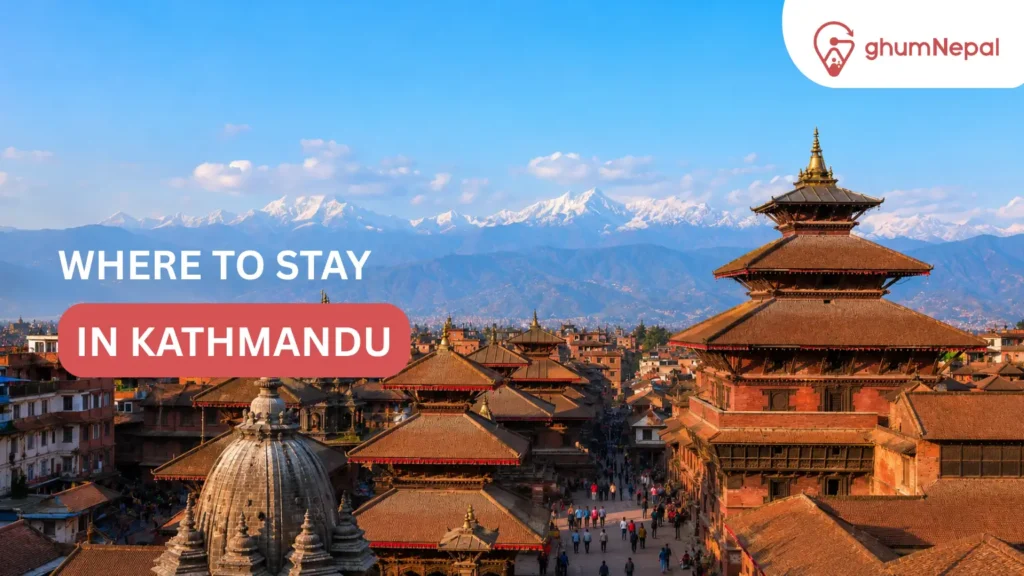
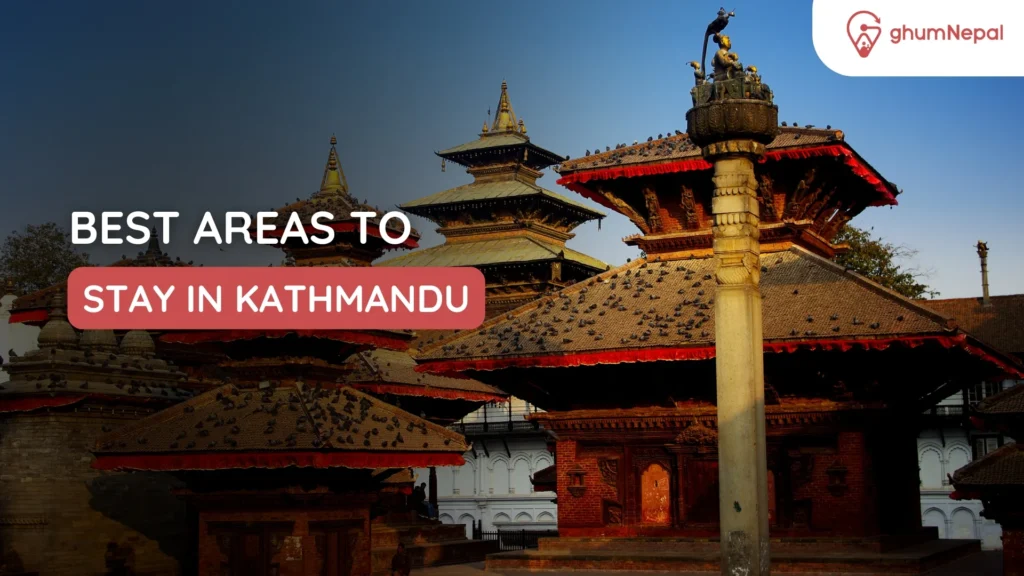
- Thamel: The “beating heart” of the city. Most tourists stay in Kathmandu, Nepal, right here. It’s a traveler’s mecca filled with trekking shops, lively nightlife, and budget-to-mid-range hotels.
- Boudha: Centered around the massive Boudhanath Stupa, this area is ideal for those seeking peace. You’ll find monastery guesthouses and boutique hotels filled with the scent of incense and the sound of chanting.
- Patan & Bhaktapur: These are “living museums.” Stay here if you prefer Newari architecture and a slower, more authentic pace than the Thamel whirlwind.
- Lazimpat & Jhamsikhel: These are the upscale hubs. Lazimpat hosts embassies and luxury heritage hotels like Hotel Shanker, while Jhamsikhel (the “Bermuda Triangle”) is trendy, offering stylish cafes and coworking spaces.
Pro Tip: Thamel is fun but can be loud. If you want a quiet night, look for a hotel in a side “Galli” (alleyway) instead of on the main street.
Pokhara – Nature & Relaxation
If Kathmandu is the engine, Pokhara is the soul. It is the primary jumping-off point for the Annapurna treks.
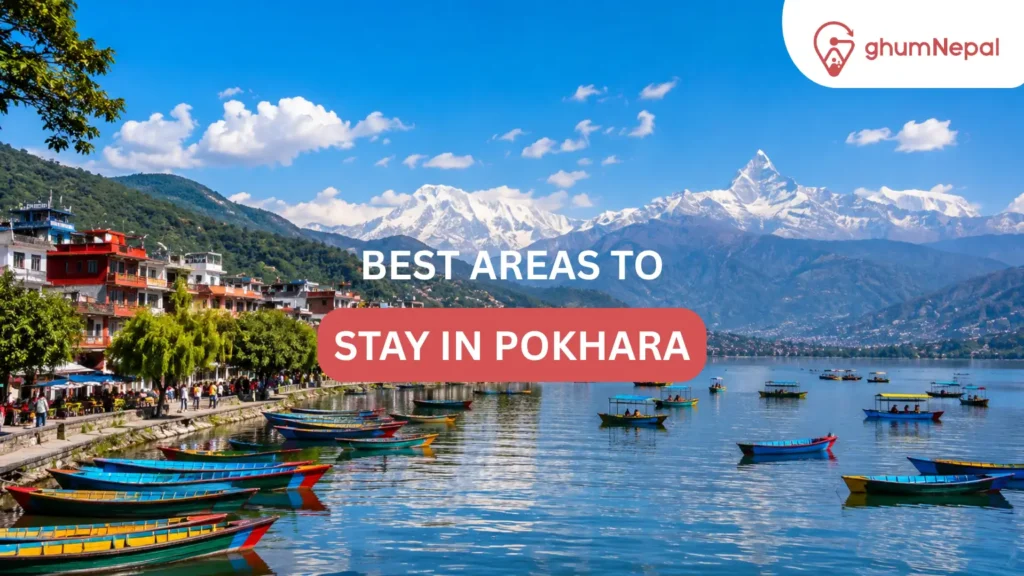
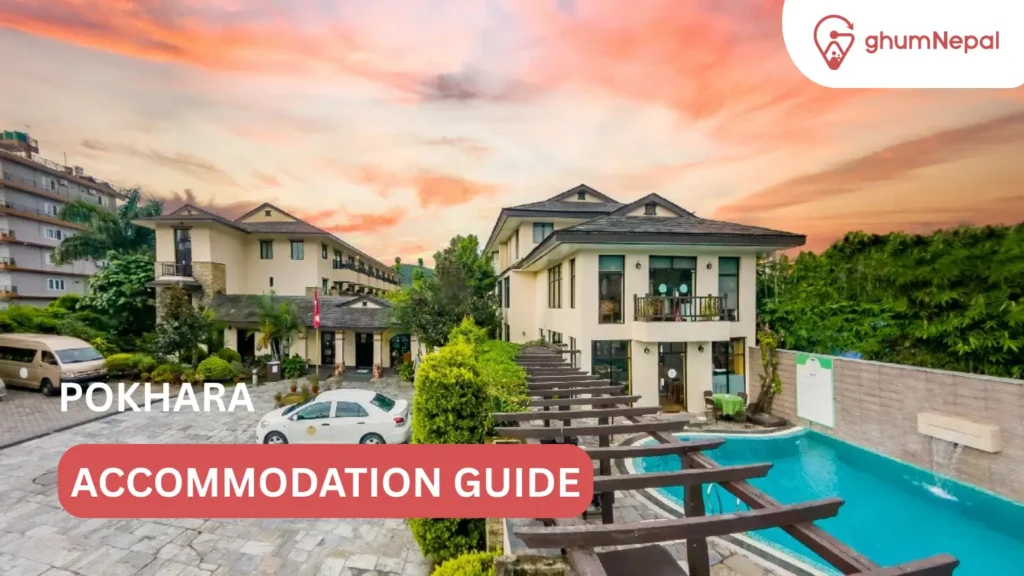
- Lakeside (Phewa Tal): This is where the vast majority of tourist hotels in Pokhara, Nepal, are located. It offers a relaxed vibe with stunning views of the Machhapuchhre (Fishtail) peak reflecting in the water.
- Sarangkot & Begnas Lake: For those wanting to escape the Lakeside crowds, Sarangkot offers world-class sunrise views, while Begnas Lake provides a quiet, rural retreat.
Pro Tip: Rent a bicycle for a couple of dollars. It’s the best way to see the whole lake without getting tired.
Chitwan – Wildlife & Jungle Experience
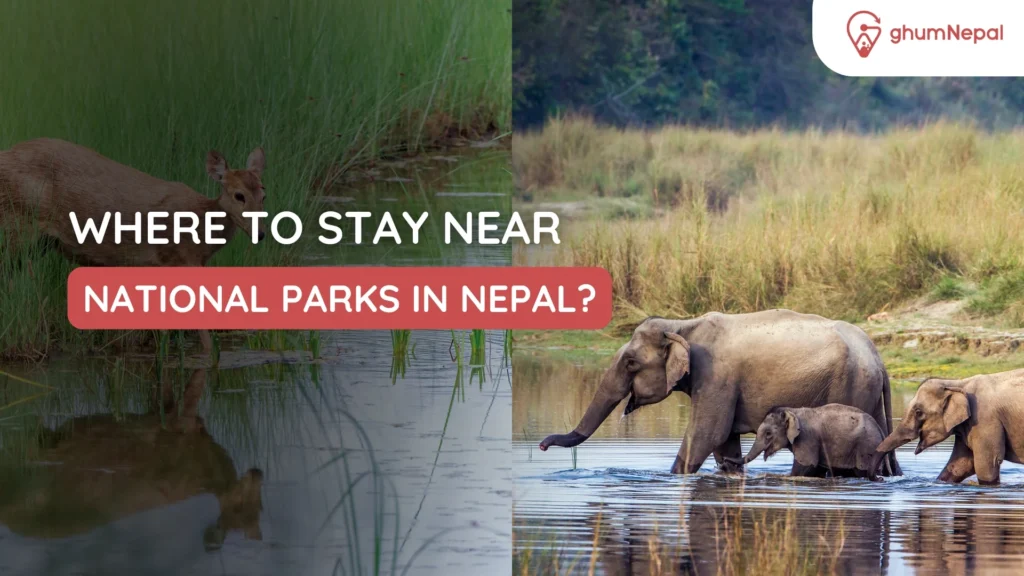
Chitwan: Most people stay in Sauraha, which is a little village right on the edge of the National Park. It’s got a bit of everything, from cool jungle lodges to community homestays near the Rapti River. It’s the go-to spot if you want to be close to the action.
Bardia: If you want something more quiet and “hidden away,” tourists head to Bardia. Places like Tiger Tops give you that “rustic-chic” vibe, and since it’s less crowded, you actually have a better shot at spotting a Bengal tiger in the wild.
- Safari tourism: Seeing rhinos and crocodiles from a jeep or canoe.
- Resorts near national parks: High-end spots where the jungle is basically your backyard.
- Eco-lodges: Stays that focus on taking care of the environment while you explore.
Pro Tip: When booking a jungle lodge, always ask if the National Park entrance fee is included in the price!
Lumbini – Spiritual Stay
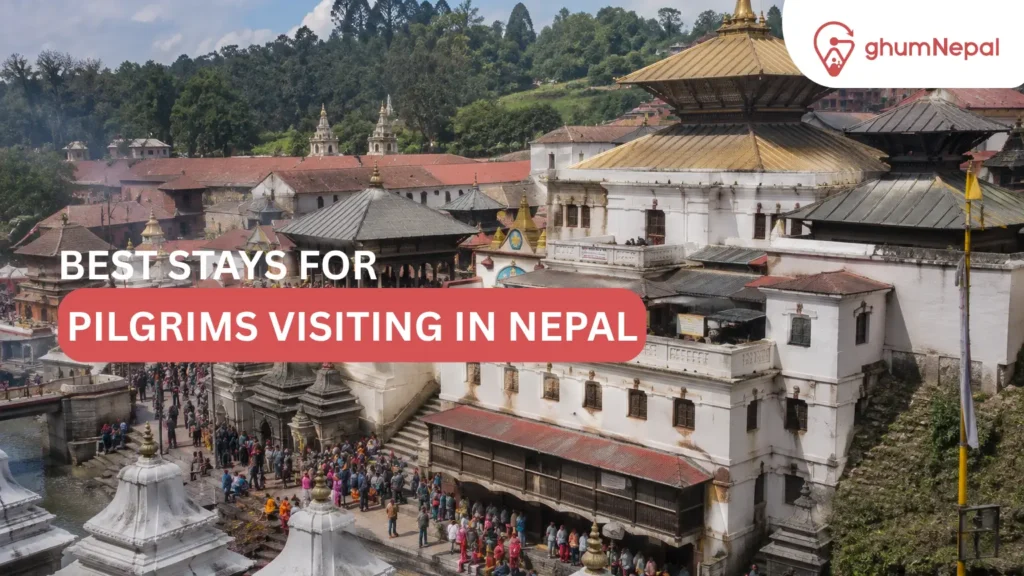
Lumbini is the birthplace of Lord Buddha, so it’s a huge spot for pilgrimage tourism. People come from all over the world to find some peace and quiet here.
- Monastery stays: Some monasteries actually let you stay there, which is a super unique way to experience the spiritual side of Nepal.
- Peaceful accommodations: Most of the hotels here are built to be calm and quiet, perfect for relaxing after a long day of walking through the sacred gardens.
Nagarkot – Scenic Views
If you don’t have much time, Nagarkot is one of the best places to stay in Nepal for tourists who want to see the mountains without going on a massive trek.
- Short stays near Kathmandu: It’s only a short drive from the city, so it’s perfect for a quick one-night getaway. If you have an extra day, exploring the homestays near Kathmandu is the perfect way to see the valley’s rural side without a long bus ride.
- Sunrise/sunset hotels: The hotels here are literally built on the ridge so you can wake up, look out your window, and see the sun hitting the Himalayas. It’s pretty unreal.
Types of Tourist Accommodation in Nepal
Whether you’re looking to save money or want to spend a bit more for a fancy experience, Nepal has plenty of choices. From simple rooms in the mountains to high-end spots in the city, here are the main tourist lodging options you’ll find across the country.
Hotels (Budget to Luxury)
Nepal caters to every wallet. Budget hotels for travelers in Thamel can cost between $10–$30, while luxury hotels in Nepalsuch as Dwarika’s offer world-class heritage luxury that can exceed $300 per night.
Homestays – Experience Local Culture
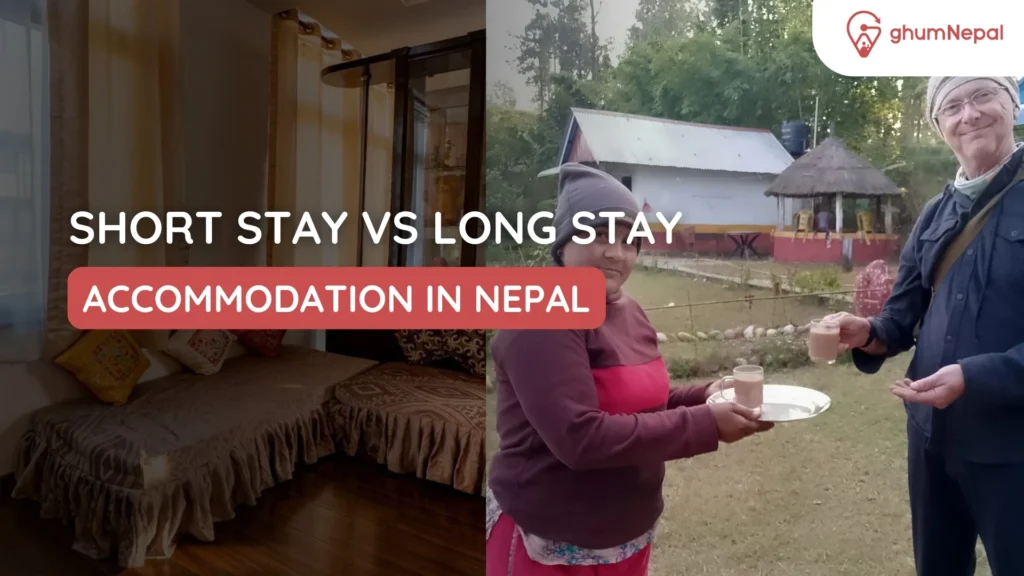
A homestay experience in Nepal for tourists is the fastest way to understand the local way of life. Organizations like ghumNepal promote community-based tourism in villages like Panauti, where you live with a local family, eat home-cooked Dal Bhat, and contribute directly to the local economy.
If you aren’t sure whether a hotel or a local home fits your vibe, read our guide on hotel vs homestay in Nepal to help you decide.
Trekking Lodges & Tea Houses
In the Everest or Annapurna regions, “teahouses” are the gold standard. These are simple, family-run lodges providing basic rooms and a warm communal dining hall—the perfect place to swap stories with other hikers.
Boutique & Eco Lodges
If you want something a bit different from a standard hotel, these spots are becoming a huge sustainable tourism trend in Nepal. They are perfect if you care about the planet but still want a really nice place to stay.
- Unique experiences: These lodges are usually built using local materials and run on solar power. Instead of a boring hallway, you might stay in a luxury tent or a cottage made of stone and wood. It’s all about feeling connected to nature without giving up comfort.
Comparison Table for Accommodation Types in Nepal
| Stay Type | Who it’s for | Price Range | Vibe |
| City Hotel | Shoppers & Foodies | $15–$50 | Busy & Fun |
| Teahouse | Trekkers & Hikers | $5–$15 | Simple & Social |
| Homestay | Culture Seekers | $10 – $25 | Quiet & Friendly |
| Luxury Resort | Relaxing | $150+ | Fancy & Calm |
Best Areas to Stay in Nepal for First-Time Visitors
If it’s your first time visiting, picking a base can feel a bit overwhelming because every spot is so different. To make it easy, most people stick to these three main areas because they offer the best mix of fun, safety, and things to do. Here are the best areas to stay in Nepal for first-time visitors:
- Kathmandu (Thamel): This is all about convenience. You’re close to the airport, all the big trekking shops are here, and you can walk to amazing world heritage sites. It’s busy, but everything a traveler needs is right outside the door.
- Pokhara (Lakeside): This is the spot for relaxation. If you want to sit by a beautiful lake, look at snowy mountains, and hang out in chill cafes, this is it. It’s much quieter than Kathmandu and very easy to get around.
- Chitwan (Sauraha): Stay here for the experience. It’s not a big city; it’s a gateway to the jungle. You stay in small villages or lodges right next to where the rhinos and tigers live.
Tips for choosing your area:
- Think about your goal: If you want culture and shopping, go for Kathmandu. If you want peace and hiking, pick Pokhara. If you want wildlife, head to Chitwan.
- Check the travel time: Getting between these places can take a full day on a bus, so don’t try to stay in all of them if your trip is short.
- Look for verified spots: Since it’s your first time, booking through a trusted platform helps you find places that are actually clean and safe.
Budget vs Luxury Accommodation in Nepal
In Nepal, you can find a place to stay no matter how much money you have in your pocket. Whether you’re trying to save every cent or you want to live like royalty, here is how the prices and experiences compare.
Price Comparison
It’s helpful to see the big difference in costs before you book. Budget hotels in Nepal for travelers usually cost between $10 and $30 a night. For that price, you get the basics in a good location. On the other side, luxury hotels in Nepal for tourists can start at $150 and go way up to $300 or more per night for a high-end suite.
For a more granular look at daily expenses, check out our full breakdown of accommodation cost in Nepal.
What to Expect
- Budget Stays: Don’t expect fancy extras. You’ll usually get a clean bed, a private or shared bathroom, and free Wi-Fi. These places are great because they are usually right in the middle of the action, surrounded by cheap places to eat and hang out.
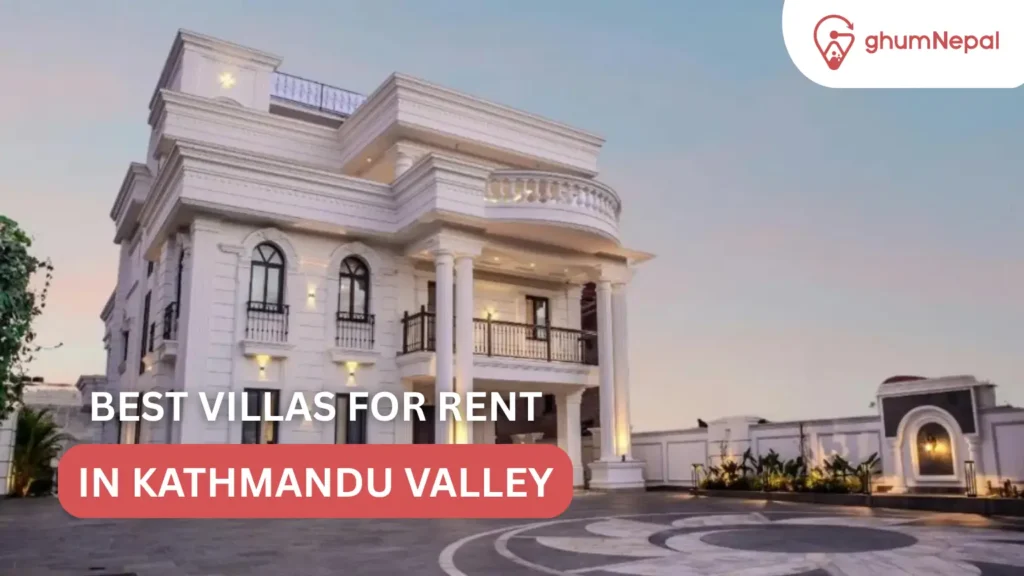
- Luxury Stays: This is where you get the “wow” factor. We’re talking about beautiful gardens, swimming pools, spas, and amazing restaurants inside the hotel. Many of these are heritage properties, meaning you’re staying in a building that looks like an old palace or a piece of history.
Value for Money
The best part about Nepal is that even the cheap spots usually feel like a good deal. Most budget guesthouses are run by friendly families who really care about their guests. If you decide to go for a luxury stay, you’re paying for the peace, the incredible service, and a break from the busy city streets. Either way, you usually get exactly what you paid for and often a little bit more.
Tips for Choosing the Right Stay in Nepal
Picking the right place to sleep can make or break your trip. To make sure you have a great time, here are a few things to keep in mind before you hit the “book” button:
- Check location & accessibility: Make sure your stay is actually near the things you want to see. In a city like Kathmandu, being a 10-minute walk from the main hub is way better than being stuck in traffic for an hour.
- Read reviews: Always see what other travelers are saying. Look for mentions of hot water, Wi-Fi speed, and how helpful the staff is.
- Consider travel purpose: Are you here to hike, see temples, or just chill out? If you’re going on a trek, stay near the bus park. If you’re here for culture, pick a spot in an old city like Patan.
- Book via trusted platforms: Using a reliable site is the best way to avoid scams and make sure your room is actually waiting for you when you arrive.
Consider the season: Prices and availability fluctuate wildly between October and April. Knowing the best time to book hotels in Nepal can save you a lot of stress.
Staying with a trusted local name like ghumNepal makes this even easier because you get:
- Verified hosts: Every place is checked to make sure it’s safe and legit.
- Easy booking: No confusing steps, just a few clicks and you’re set.
- Local experiences: You get to stay in places that aren’t just boring hotels.
Why You Should Choose Local Platforms Like ghumNepal
When you’re looking for tourist accommodation Nepal options, using a local platform is almost always a better move than using a huge global site. Here’s why it matters:
- Authentic experiences: Local platforms know the hidden gems. Instead of a standard room, you might find a beautiful traditional home or a cozy spot that big sites don’t even know about.
- Support local communities: When you book through a local site, more of your money stays right there in the village or neighborhood. It helps the families who are hosting you directly.
- Safer and verified stays: Since our team is actually on the ground in Nepal, you can personally verify that the places are safe, clean, and welcoming.
- Easier booking process: You don’t have to deal with weird international payment issues or miscommunications. Everything is handled by people who know exactly how things work in Nepal.
FAQs – Tourist Accommodation in Nepal
Most people split their time between Thamel in Kathmandu and Lakeside in Pokhara. These are the main spots where you’ll find everything a traveler needs.
Not at all. You can find clean, nice rooms for $15–$25, but there are also fancy luxury hotels in Nepal for tourists if you want to spend more.
Yes, especially if you book them through a trusted site like ghumNepal. They are actually known as one of the safest and friendliest ways to travel around.
Kathmandu is usually the best place to start because it’s where you’ll land, and it has the most shops and services. However, many people find Pokhara easier to handle because it’s more relaxed and less crowded.
Definitely! Staying in a village is a great way to see the “real” Nepal. You can find Nepal tourist lodging options like community homestays or trekking teahouses in many rural areas and mountain trails.
Final Thoughts
The “best” place to stay in Nepal depends on your mission. Are you here for the mountains, the monasteries, or the monkeys? Whatever your path, look beyond the typical hotel room. Try a monastery stay or a village homestay to truly feel the magic of the Himalayas.
First-Timer Checklist:
- Power: Does the hotel have a backup generator? (Important for charging!)
- Water: Check reviews for “24-hour hot water.”
- Maps: Download the area on Google Maps for offline use.
- Platform: Book through a trusted local site like ghumNepal to stay safe.
Ready to explore the real Nepal?
Explore local stays and verified homestays on ghumNepal today!