Best Places to Stay During Trekking Season in Nepal
Share:
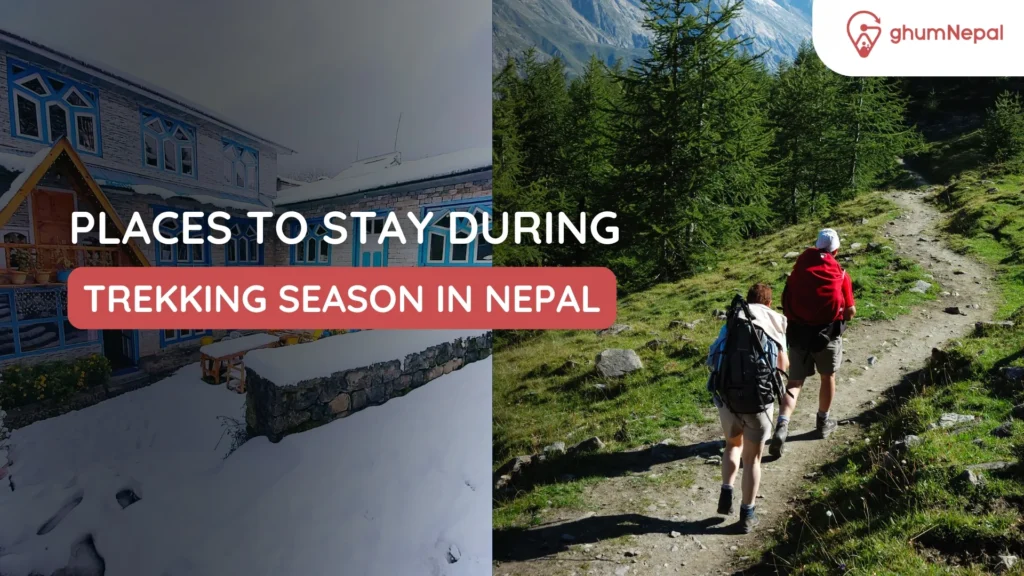
Nepal is a trekker’s dream, filled with massive Himalayan peaks and the kind of local hospitality that stays with you long after you fly home. But honestly, your choice of places to stay during trekking season in Nepal can make or break the trip.
If you’ve spent eight hours climbing steep stone steps, the last thing you want is a drafty room with no food. At ghumNepal, we help you navigate the sea of options from basic trailside huts to high-end hotels so you can focus on the views rather than where you’re going to sleep. When picking places to stay during trekking season in Nepal, you really have to think about both altitude and your own comfort threshold.
Trekking accommodation in Nepal includes teahouses, lodges, homestays, and luxury hotels that vary by altitude, proximity, and seasonality.
Why the Right Trekking Accommodation Matters in Nepal?
A good trek is about recovery, not just distance. Finding the right trekking accommodation in Nepal involves balancing proximity to the trail with the realities of seasonality.
In the peak months, the best places to stay during trekking season in Nepal fill up by 2:00 PM. If you pick the right place, you get:
- A chance to dry out your gear and warm your bones.
- Less time spent wandering around looking for a bed when you’re exhausted.
- Staying in a clean lodge helps keep you healthy and prevents unwanted illnesses when you’re trekking at 4,000 meters.
- Easy access to local intel from guides who stay at the same spots.
Plan smart. Stay smart. Book with ghumNepal.
Types of Trekking Accommodation in Nepal
Nepal offers a wide range of trekking accommodations, from rustic teahouses tucked along the trails to luxurious lodges with modern comforts. Choosing the right place depends on your budget, preferred level of comfort, and proximity to the trekking route.
These are the primary choices you’ll have on your trip to the Himalayas.
1. Tea Houses and Guesthouses (The Trail Classic)
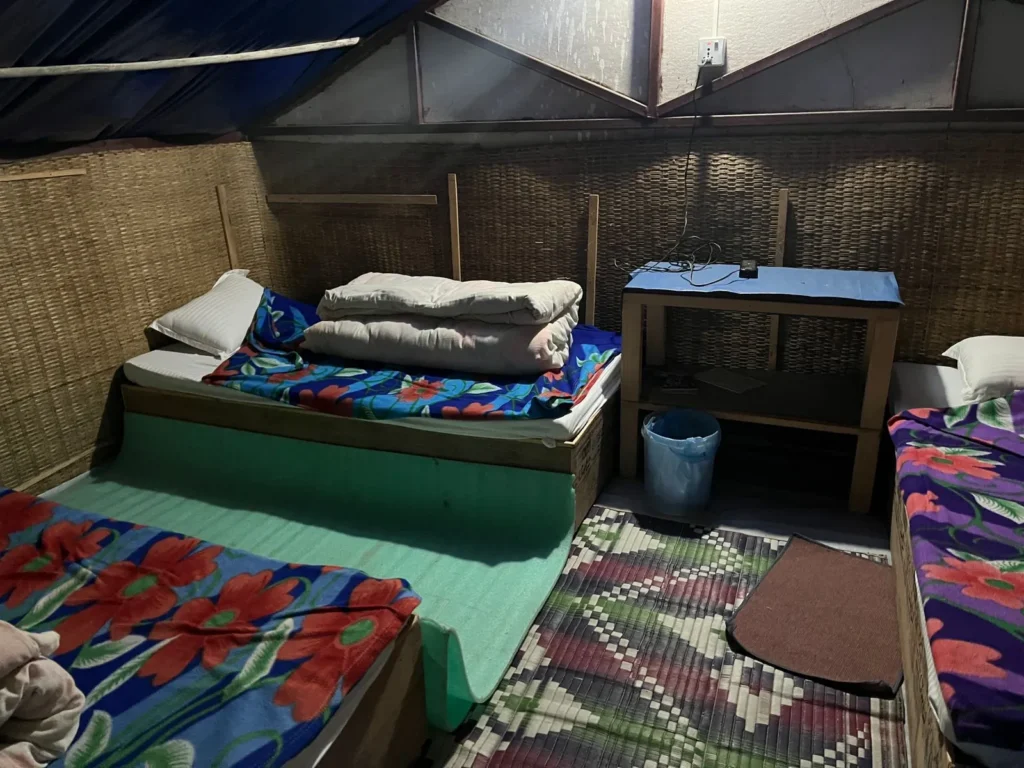
These are the heartbeat of the Everest and Annapurna regions. Usually family-run, they offer a bed and a warm dining room. They are the most common places to stay during trekking season in Nepal.
- Cost: USD $3–$15 per night.
- Amenities: Twin beds, shared or attached bathrooms, warm meals.
- Best for: Budget travelers and cultural immersion.
2. Mountain Lodges (The Middle Ground)
A step up for those who aren’t ready to go full “backpacker.” These lodges are common in bigger hubs like Namche or Manang.
- Amenities: Think thicker blankets, private rooms, and a menu that goes beyond just Dal Bhat.
- Best for: Trekkers who want a solid night’s sleep without the luxury price tag.
3. Camping Setups (For Remote & Rugged Routes)
If you’re heading to Upper Dolpo or Kanchenjunga, traditional lodges are few and far between. These aren’t your typical places to stay during trekking season in Nepal, as they require a full support crew including kitchen staff and dining tents.
4. Luxury Lodges (The Premium Himalayan Hotels)
Yes, you can actually find heated rooms and gourmet meals in the mountains. If you are looking for the most comfortable places to stay during trekking season in Nepal, specialized high-end hotels like those in the Everest region are your best bet.
- Cost: USD $100–$300 per night.
- Amenities: Ensuite rooms, spa facilities, and reliable Wi-Fi.
For those looking to pamper themselves before or after a trek, check out these luxury resorts in Nepal for a premium experience.
5. Homestays (Authentic Local Culture)
Staying in someone’s home is the best way to see the real Nepal. These are wonderful places to stay during trekking season in Nepal for those seeking a personal connection with local families.
If you’re unsure which option suits you, check our guide on hotel vs homestay in Nepal for a detailed comparison.
Quick Comparison: Tea Houses, Lodges & Luxury Stays
| Type of Accommodation | Cost (USD/night) | Amenities | Best For |
| Tea Houses | $3–$15 | Twin beds, shared/attached bathrooms, warm meals | Budget travelers, cultural immersion |
| Mountain Lodges | $15–$50 | Private rooms, thicker blankets, varied menu | Trekkers seeking comfort without luxury |
| Luxury Lodges | $100–$300 | Heated rooms, ensuite bathrooms, Wi-Fi, spa, gourmet meals | Trekkers wanting full comfort and amenities |
| Homestays | $5–$20 | Personal connection, home-cooked meals, cultural experience | Travelers seeking authenticity |
These are the most common places to stay during trekking season in Nepal. If you are traveling on a tight budget, you can also explore our full guide on budget accommodation options in Nepal for more tips.
Accommodation Facilities By Trekking Regions
Each trekking area in Nepal has its own mix of beauty, culture, and places to stay. Understanding the types of trekking accommodations in each region of Nepal helps you plan better and stay comfortable throughout your journey from the busy hubs of Everest to the untouched trails of Manaslu.
This includes the well-developed hubs of Everest and the wild paths of Manaslu.
Everest Region
In places like Lukla and Namche Bazaar, the proximity to amenities is high. You’ll find hotels with Wi-Fi and even some decent coffee shops. As you get higher toward Gorakshep, the places to stay during trekking season in Nepal get basic fast.
In Namche Bazaar, many trekkers end up returning to the same lodge just for the warm dining room and fresh bakery.
Annapurna Region
This area has the most variety. Whether you want a community homestay in Ghandruk or a lively guest house in Manang, the options are endless. Because of the road access in some parts, supplies are better, and trekking accommodation in Nepal here is often more affordable.
Langtang Valley
Langtang is still recovering and rebuilding, so the places to stay during trekking season Nepal here are newer but often more modest. Expect solar power and seasonal closures during the deep winter months.
Manaslu & Mustang
Mustang offers quality lodges with ensuite facilities that operate year-round, while Manaslu relies more on basic tea houses and camping at higher altitudes.
For those starting their trek from the Kathmandu Valley, you can explore comfortable homestays near Kathmandu before heading into the hills.
Each trekking area in Nepal has its own mix of beauty and culture. If this is your first trip to the Himalayas, read our guide on where to stay in Nepal for first-time visitors.
Accommodation Cost While Trekking in Nepal
Here is a quick look at what your wallet should expect on the trail in 2026. Keep in mind, prices often go up as your altitude does.
| Facility | Typical Cost (USD) | Notes |
| Tea House Room | $3 – $15 | Basic twin share. |
| Mid-Range Lodge | $15 – $50 | Often includes better bedding. |
| Luxury Lodge/Hotel | $100 – $300 | Limited to specific regions. |
| Battery Charging | $1 – $5 | Charged per device/power bank. |
| Wi-Fi | $2 – $5 | Sometimes a flat fee for the stay. |
| Hot Shower | $3 – $7 | Usually solar or gas-powered. |
For a detailed breakdown of costs across Nepal, check our post on how much does accommodation cost in Nepal
How Do Trekking Seasons Affect Accommodation in Nepal?
The availability of trekking accommodation in Nepal depends heavily on the season. Nepal has two main trekking periods: spring (March–May) and autumn (September–November), which are the peak trekking seasons. During these months, trails are busy, teahouses and lodges are fully open, and rooms fill up quickly. Booking early or through trusted platforms like ghumNepal ensures you secure the best places to stay during trekking season Nepal.
During the off-season (monsoon and winter), higher-elevation lodges may close, food options are limited, and some amenities may be unavailable. However, off-season trekking offers quieter trails, lower prices, and a more peaceful experience for prepared travelers.
Tips for Planning Accommodation by Season:
- Peak Season: Book in advance, arrive early at popular stops, and be ready to share rooms.
- Off-Season: Confirm open lodges, carry a sleeping bag, and expect basic facilities.
- Altitude & Weather: Higher-elevation teahouses may be minimal; plan extra time for delays or weather changes.
Understanding seasonal impacts helps you choose the right trekking accommodation in Nepal, ensuring comfort, safety, and a smooth Himalayan trekking experience. During peak months, rooms fill up quickly. Understanding the best time to book hotels in Nepal is important to securing your preferred tea house or lodge during the busy spring and autumn seasons.
How to Choose the Right Accommodation While Trekking in Nepal?
Choosing the right trekking accommodation in Nepal is as important as picking your route. Your stay affects recovery, comfort, and overall enjoyment, especially during peak trekking seasons in spring (March–May) and autumn (September–November).
Smart Tips for Your Trek Stay
- Respect Seasonality: Popular teahouses and lodges fill up fast. Arrive early or book in advance to secure your spot.
- Bring a Sleeping Bag: Even if bedding is provided, a sleeping bag ensures warmth and hygiene at high altitudes.
- Proximity Matters: Choose accommodations close to trailheads to save time and energy. Some luxury lodges may require longer treks or even helicopter access.
- Power and Connectivity: Most places rely on solar power. Carry a power bank; Wi-Fi is often limited to main hubs.
Choosing the Right Lodging
- Budget Options: Tea houses and homestays offer basic rooms and local meals. Perfect for an authentic experience.
- Mid-Range Comfort: Mountain lodges provide private rooms, better bedding, and varied menus.
- Luxury Stays: Heated rooms, ensuite bathrooms, and gourmet meals for those seeking comfort.
When staying in family-run lodges, it’s natural to wonder about safety. Learn more about if homestays in Nepal are safe?
Practical Advice for Best Place to Stay During Trek
- Book Through Guides or Agencies: Ensures reliable, safe lodging, especially in busy regions like Everest or Annapurna.
- Be Flexible: Facilities decrease at higher altitudes; shared rooms and simple meals are common.
- Hygiene and Safety: Choose clean, well-maintained teahouses and carry essential hygiene items.
- Respect Local Culture: Most lodges are family-run follow rules and be polite to hosts for a better experience.
Selecting the right places to stay during trekking season in Nepal balances comfort, budget, and location. Plan ahead, respect seasonality, and stay flexible to enjoy Nepal’s trails, stunning scenery, and legendary hospitality. We’ve put together a smart guide on how to choose the right hotel in Nepal to help you make the best decision for your comfort level.
Safety & Comfort on the Trails
Nepal’s Trekking communities are famous for their hospitality, but you need to be realistic. High-altitude regions require proper acclimatization, and weather can shift in minutes. While hotels and lodges provide a safe haven, always listen to local advice regarding trail conditions.
Frequently Asked Questions (FAQs)
Tea houses are family-run lodges on popular routes like Everest and Annapurna in Nepal. They provide basic twin-bed rooms, communal dining, and an authentic local experience.
- Tea Houses: USD $3–$15 per night
- Mountain Lodges: USD $5–$50 per night
- Camping: USD $20–$50 per night (with organized trek)
- Luxury Lodges: USD $100–$300 per night
Yes, usually for a small fee. Device charging: USD $1–$3 per device. Wi-Fi: USD $2–$5/hour above 2,500 m. Connectivity decreases in remote or high-altitude regions.
Yes. It ensures warmth and hygiene, especially as most tea houses provide basic bedding without heating.
- Tea houses: Squat toilets, shared bathrooms, sometimes solar-heated showers (extra fee)
- Luxury lodges: Ensuite bathrooms with reliable hot water
Standard rooms are twin-sharing. Solo trekkers may share with same-sex travelers in crowded hubs like Gorakshep or Thorong Phedi. Single supplements are available at some lodges.
- Dal Bhat, momos, noodles, soups
- Popular routes may offer pasta, pizza, and international dishes
- Luxury lodges offer gourmet options
Yes, especially in Spring (Mar–May) and Autumn (Sep–Nov). High-altitude lodges may close during deep winter due to snow.
Final Thoughts
At the end of the day, trekking in Nepal is about the journey, not just the destination. While the rooms might be small and the toilets might be a bit “rustic” compared to city hotels, the warmth of the people running these lodges makes up for it.
There’s something incredibly special about sitting around a communal stove with people from all over the world, sharing stories while the wind howls outside. Just remember to plan for the seasonality, bring a good sleeping bag, and keep an open mind about the places to stay during trekking season in Nepal. Honestly, it’s the little imperfections like a dim solar light or a shared meal that make the memories stick.
Whether you are coming for a quick 5-day hike or a month-long expedition, it’s worth considering the pros and cons of short stay vs long stay in Nepal to see which fits your itinerary better.
Ready to book your stay in Nepal?
Secure your trekking accommodation before the trails get crowded! From Phakding to Manang, find verified places to stay at the best rates.