Short Stay vs Long Stay Nepal: Which Accommodation is Right for You?
Share:
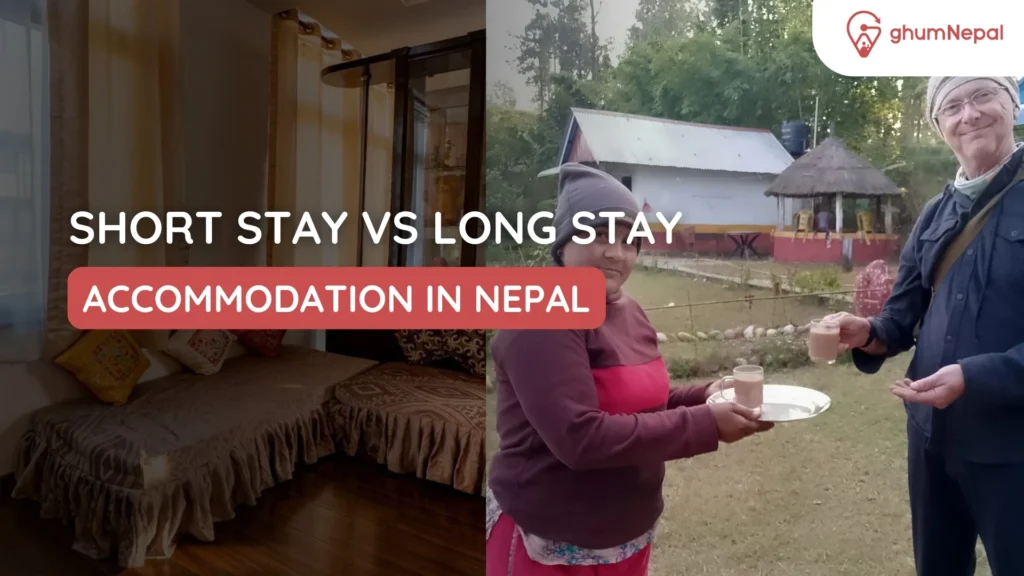
Nepal gets over a million people visiting every single year. Some are just here for a quick trip to trek the Annapurna Circuit, while others decide to stick around for a while to work, study, or just live that remote life. Honestly, figuring out the whole short stay vs long stay Nepal situation is huge if you want to plan things right and not blow your budget on stuff you don’t need.
Whether you’re just dropping in for a few days or moving in for months, you can plan your Nepal trip with ghumNepal to get the best stays and local insights.
Picking between short-term accommodation in Nepal and long-term accommodation in Nepal is going to change everything from how much cash you spend to how comfortable you actually feel.
In this guide, we’re going to get on pricing, visa rules, where to live, and how the lifestyle actually feels so you can figure out what works for you.
What Are Short-Stay and Long-Stay Accommodations?
When you’re looking at short stay vs long stay Nepal, you’ve got to understand the basics of both. They’re basically built for different types of people. One is for the “hit and run” traveler, and the other is for someone trying to actually settle in. Whether you need short-term accommodation in Nepal for a quick stint or you’re hunting for long-term accommodation in Nepal to call home for a bit, knowing the perks of each makes the choice way easier.
Short Stay Accommodation
Short-stay accommodation typically ranges from one night to a few weeks and is designed for convenience and flexibility. This type of short-term accommodation in Nepal is most popular among tourists, trekkers, and business travelers.
Common options include
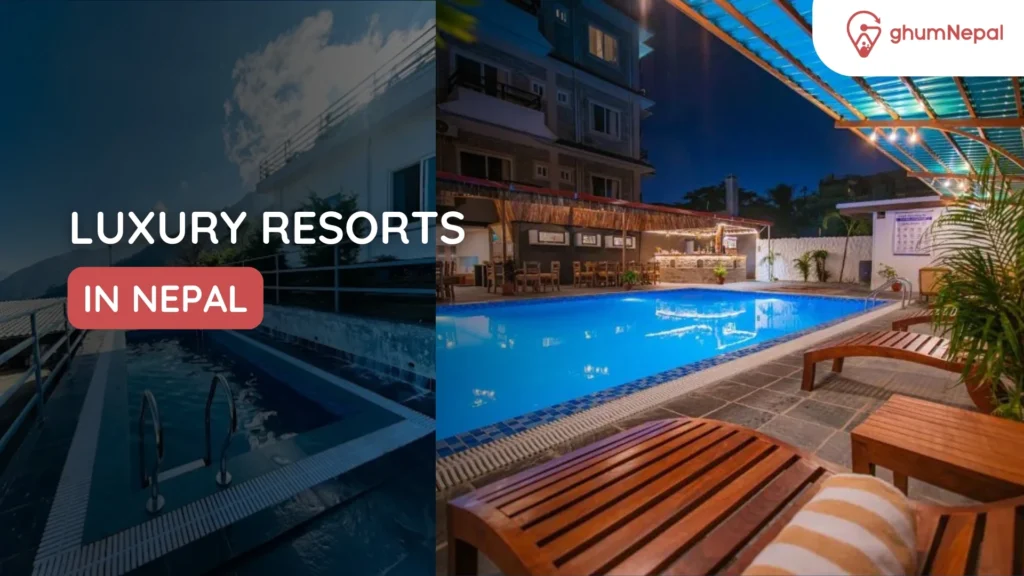
- Hotels and resorts
- Teahouses (on trekking routes)
- Guesthouses and hostels
- Homestays
- Airbnb-style rentals
These accommodations are service-oriented, often including cleaning, Wi-Fi, and meals, making them ideal for travelers who want a hassle-free experience.
If you are still exploring your options, our guide on where to stay in Nepal covers every region in detail.
They focus on convenience, flexibility, and services.
Long-Stay Accommodation
Long-stay accommodation refers to rentals for one month or longer and is ideal for expats, students, and digital nomads. Long-stay accommodation in Nepal focuses more on comfort, independence, and affordability over time.
Common options include
- Furnished apartments
- Serviced apartments
- Monthly rental homes
- Shared flats
These options allow you to live more like a local, offering better value and flexibility for extended stays.
Short Stay vs Long Stay Nepal: Cost Comparison
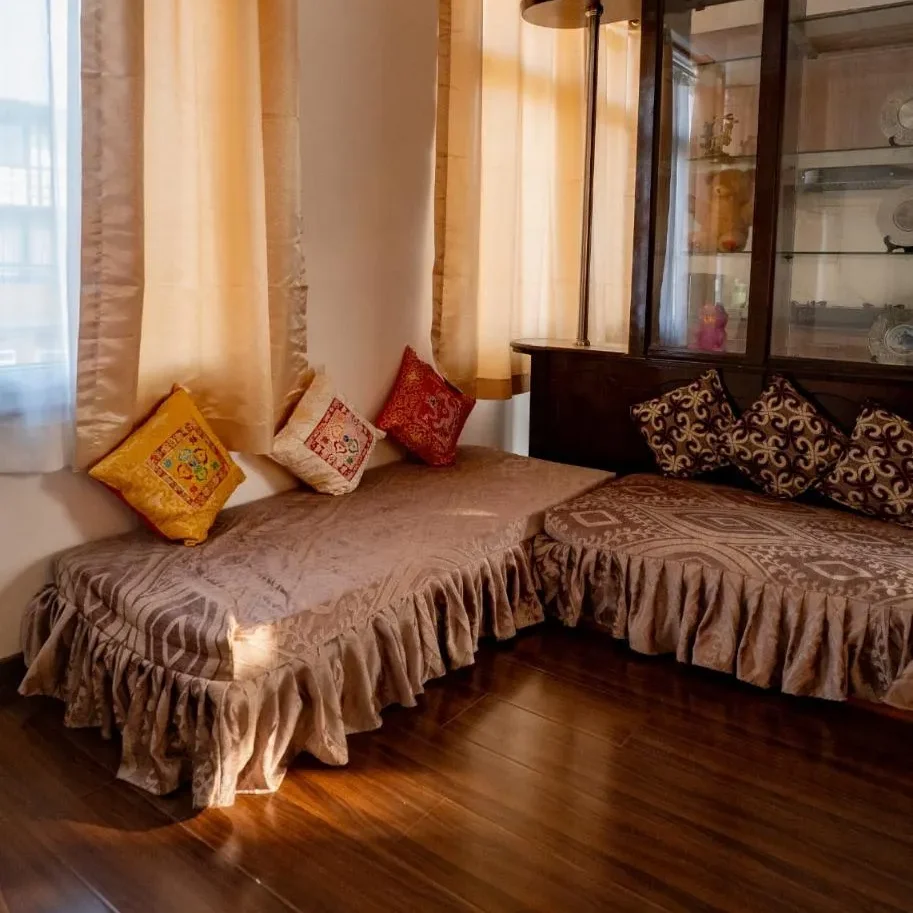
Money is usually the biggest decider when picking between short stay vs long stay Nepal. The price gap is pretty wild when you look at a nightly hotel rate versus a monthly rent. Short stays are convenient, sure, but long-term rentals are where the real value is.
Short Stay Cost (Per Night)
You pay by the night here. It’s flexible, but man, it gets pricey if you stay too long.
- NPR 1,500 – 6,000 (≈ USD 11 – 45): This gets you anything from a decent guesthouse to a mid-range hotel in places like Kathmandu or Pokhara. Usually, you get Wi-Fi and someone to clean your room.
- NPR 500 – 1,500 (≈ USD 4 – 11): This is for the teahouses on trekking routes. They’re super basic, but they do the job for a night or two while you’re hiking.
That higher daily price is basically what you pay for the convenience of short-term accommodation in Nepal.
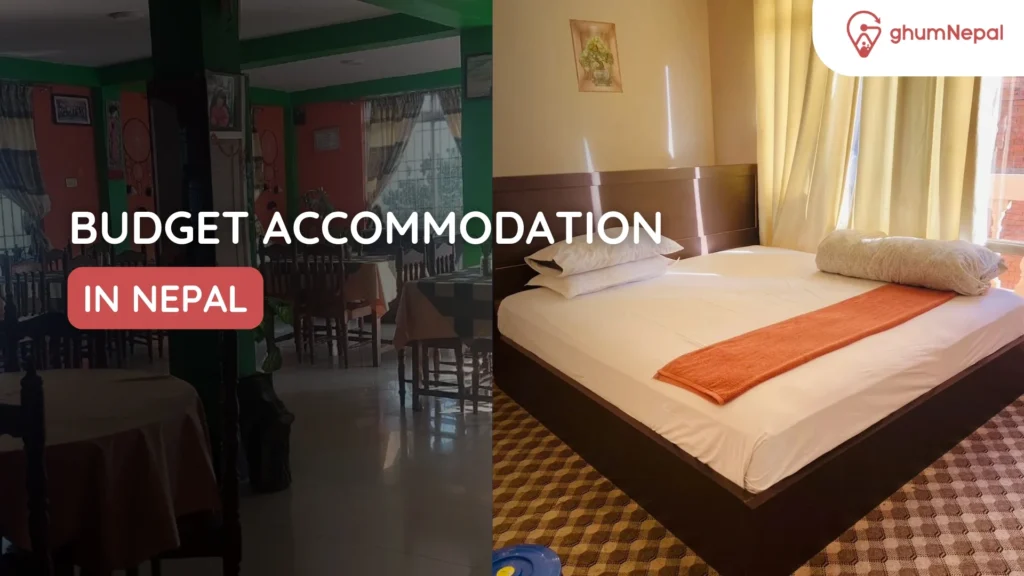
Travelers looking for the best deals should browse our list of top-rated budget accommodation in Nepal.
Long Stay Cost (Per Month)
When you pay by the month, the daily “rate” drops a ton.
- NPR 25,000 – 70,000 (≈ USD 190 – 530): This is the range for standard apartments. It depends on how big the place is and if it’s fancy or not.
- Higher prices for serviced apartments: These come with all the bells and whistles, cleaning, security, utilities, all wrapped into one bill.
This is why long-term accommodation in Nepal is the move for anyone staying a while.
This makes long-stay accommodation in Nepal a better choice for expats, students, and digital nomads planning extended stays. For a full breakdown of daily expenses, see our detailed accommodation cost in Nepal.
Real Cost Comparison
Let’s look at the math for a hotel vs apartment. Nepal:
- Hotel: (NPR 3,500/night × 30 days) = NPR 105,000 (≈ USD 800)
- Apartment: (Monthly rent) = NPR 40,000–55,000 (≈ USD 300–420)
You’re literally saving like 50,000 Rupees a month. Most people doing a Nepal accommodation cost comparison figure out pretty fast that long-term is the way to go.
Just remember that long-term rentals usually don’t include electricity or Wi-Fi in the base price, so factor in an extra NPR 3,000–8,000 for that.
Difference Between Short Stay and Long Stay Nepal
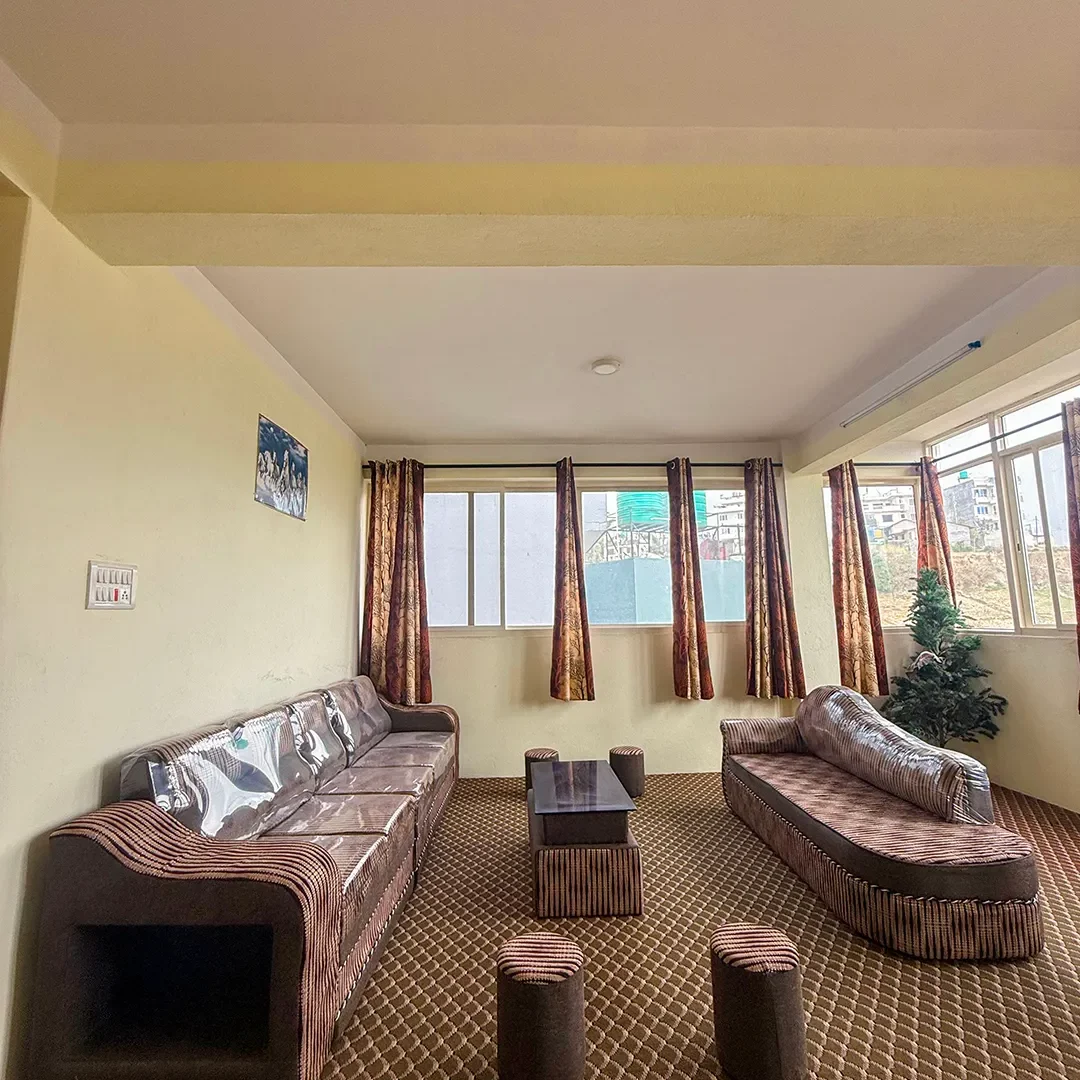
To really nail down the short stay vs long stay Nepal choice, you have to look at how you want to live.
| Feature | Short-Stay Accommodation | Long-Stay Accommodation |
| Duration | 1 night to a few weeks | 1 month to several months |
| Cost | Higher per night (NPR 1,500–6,000 / $12–$48 USD) | Lower per day (NPR 25,000–70,000 per month / $200–$560 USD) |
| Flexibility | Very flexible, no contracts | Requires rental agreement and deposit |
| Facilities | Cleaning, Wi-Fi, sometimes meals | Kitchen, laundry, workspace; serviced apartments may include additional amenities |
| Privacy | Hotel-style living, shared spaces | Home-like environment, private and independent |
| Best For | Tourists, trekkers, business travelers | Expats, students, digital nomads |
| Experience | Convenience and services, minimal planning | Integration with local life, home-like comfort |
| Popular Locations | Thamel (Kathmandu), Lakeside (Pokhara), trekking routes | Lazimpat, Jhamsikhel, Patan (Kathmandu), residential Pokhara areas |
1. Duration
- Short Stay: 1 night to a few weeks
- Long Stay: 1 month to several months
Short stay options are designed for temporary visits such as holidays, business trips, or trekking adventures. On the other hand, long-stay accommodation in Nepal is ideal for people planning to live in Nepal for an extended period, whether for work, study, or a remote lifestyle.
2. Cost
- Short Stay: Higher per night
- Long Stay: Lower per day
Cost is one of the biggest differences in the short-term vs. long-term rental Nepal comparison. While short stays may seem affordable initially, the daily rates add up quickly over time. In contrast, long-term rentals offer a fixed monthly rate, making them far more economical for extended stays. This is why many travelers researching Nepal accommodation cost comparisons find long stays to be significantly cheaper.
3. Flexibility
- Short Stay: Very flexible (no contracts)
- Long Stay: Requires deposit and agreement
Short-stay accommodations provide maximum flexibility; you can check in and out anytime without long-term commitments. This makes short-term accommodation in Nepal perfect for travelers with uncertain plans.
Long-stay options, however, usually require a rental agreement, security deposit, and sometimes advance payment. While this reduces flexibility, it provides stability and a sense of permanence.
4. Facilities
- Short Stay: Cleaning and Wi-Fi included
- Long Stay: Kitchen, laundry, workspace
Short-stay accommodations focus on convenience and service. Hotels and guesthouses typically include housekeeping, Wi-Fi, and sometimes meals.
In contrast, long-stay accommodation in Nepal offers more practical living facilities, such as a kitchen, washing area, and workspace. This makes it easier to maintain a daily routine, especially for remote workers and students. Many serviced apartments in Nepal also combine both convenience and functionality by offering services along with home-like amenities.
5. Privacy
- Short Stay: Hotel-style living
- Long Stay: Home-like environment
Privacy levels differ significantly between the two. Short stays often involve shared spaces, staff interaction, and a hotel-like atmosphere.
Long-term rentals, including furnished apartments in Nepal, provide a more private and independent environment. This allows you to live comfortably without frequent interruptions, making it ideal for long-term residents.
Best For
- Short Stay: Tourists, trekkers, business travelers
- Long Stay: Expats, students, digital nomads
Short stays are best suited for people visiting Nepal for a short duration who want convenience and easy access to services.
Long stays are ideal for those who want to settle temporarily and experience local life more deeply. Options like monthly rental apartments Nepal are especially popular among expats and remote workers.
When comparing hotels vs. apartments in Nepal, apartments clearly offer better value for extended stays, while hotels are more convenient for short visits.
Visa Rules in Nepal To Stay
Your visa determines how long you can stay in Nepal.
Tourist Visa (Short Stay)
- 15 days – $25
- 30 days – $50
- 90 days – $125
- Maximum: 150 days per calendar year
You can extend your visa at immigration offices in Kathmandu or Pokhara. However, the 150-day limit cannot be reset by leaving and re-entering Nepal.
Long-Stay Visa Options
For extended stays, you need a non-tourist visa:
- Work Visa (requires employer sponsorship)
- Student Visa (requires enrollment)
- Business Visa (requires company registration)
- Family Visa (for dependents)
These visas are essential if you plan to live in Nepal while working, studying, or running a business but require documentation and take time to process.
Best Locations for Each Stay Type in Nepal
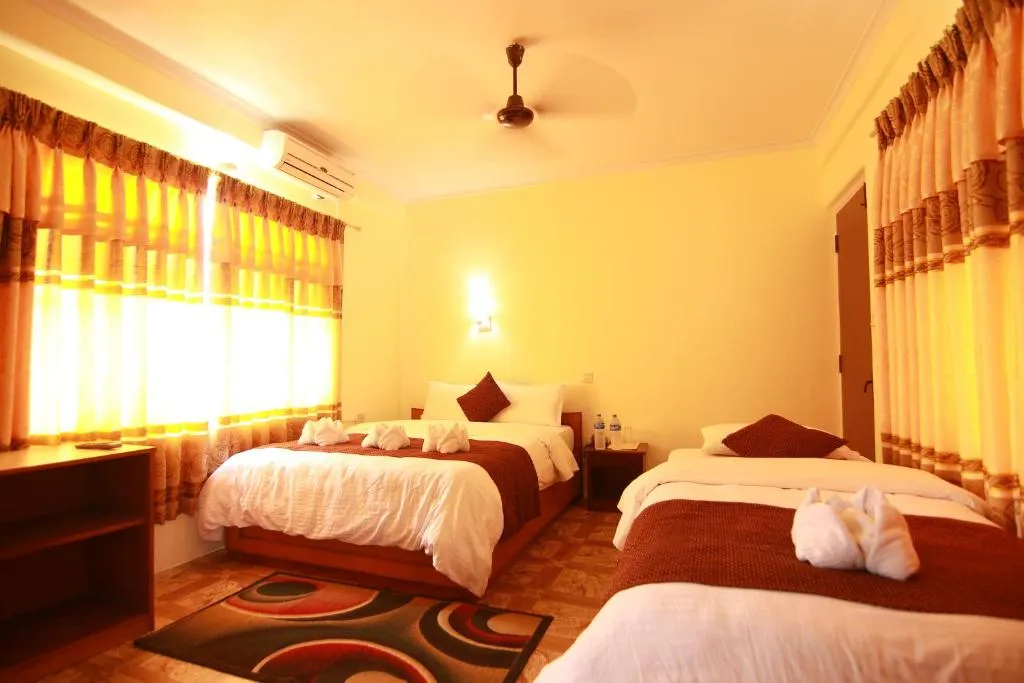
Where you stay is just as big a deal as what you’re staying in.
Short Stay area
- Thamel (Kathmandu): The tourist hub. It’s loud, busy, and has everything. Perfect for short term accommodation in Nepal. Because of the density, it is important to know how to choose the right hotel in Nepal to avoid noise and find the best value.
- Lakeside (Pokhara): Much more chill. Great for a few weeks by the water.
- Nagarkot: Go here for the sunrises and then head back out.
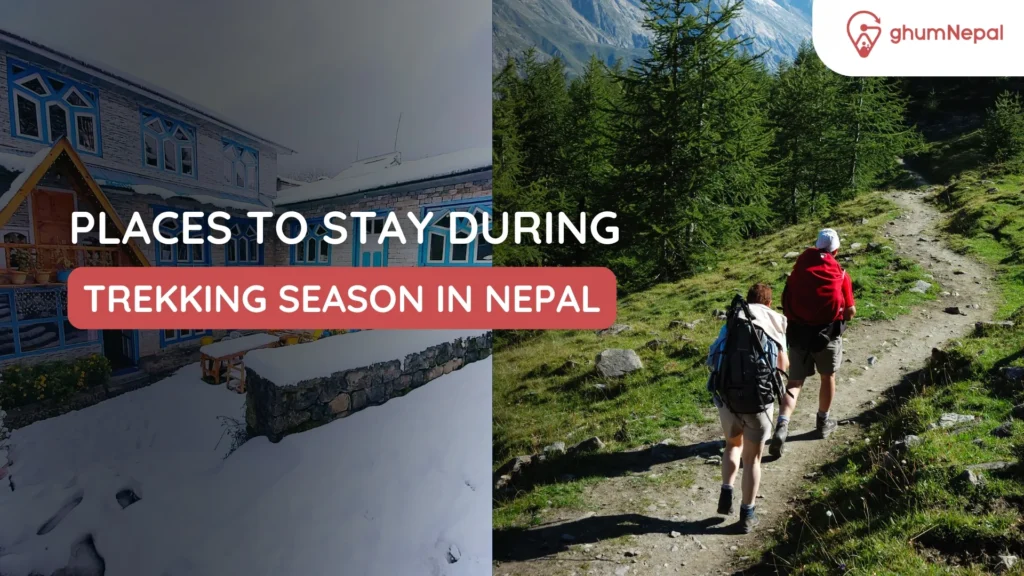
- Namche Bazaar: The go-to spot for Everest trekkers. We recommend checking the availability of places to stay during trekking season in Nepal well in advance.
Long-Stay Neighborhoods
- Lazimpat (Kathmandu): Quiet, safe, and where most expats live.
- Jhamsikhel (Kathmandu): Tons of cafes and coworking spots. Great for digital nomads looking for monthly rental apartments in Nepal.
- Patan: Lots of history and a very local feel.
- Residential Pokhara: Way cheaper than Lakeside if you’re staying for months.
Tip: While Thamel is excellent for short stays due to its vibrancy and convenience, it is less suitable for long-term living because of noise, high rental prices, and tourist congestion. For long stays, it’s better to choose quieter, residential neighborhoods with better access to facilities and a more relaxed lifestyle.
Short Stay in Nepal: Who It Is Best For
Short-stay accommodation is designed for convenience and travel experiences.
It is ideal if you:
- Are visiting for trekking or tourism
- Pl-stayan to stay for less than 2–3 weeks
- Prefer hotel services like cleaning and meals
Teahouses along trekking routes are a classic example of short-stay options. They provide affordable and simple lodging for trekkers.
Homestays are another excellent option, especially for cultural experiences. They allow visitors to connect with local families, enjoy traditional meals, and experience authentic Nepali hospitality.
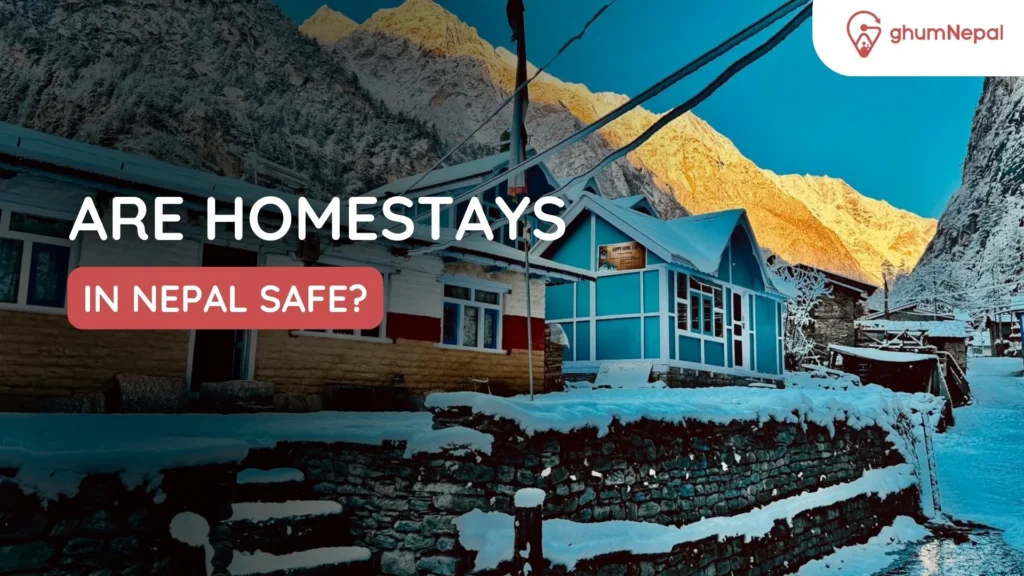
Many solo travelers often wonder, are homestays in Nepal safe? They are actually one of the most secure and welcoming options.
Long-Stay Accommodation Nepal: A Better Option for Extended Living
If you are staying longer than a few weeks, long-term accommodation in Nepal becomes the smarter choice. It offers a completely different lifestyle.
Benefits:
- Lower overall cost
- Kitchen and workspace
- More privacy and comfort
- Better integration into local life
Pricing:
- Basic apartments: NPR 25,000–35,000/month
- Mid-range furnished apartments: NPR 40,000–70,000/month
- Serviced apartments: NPR 60,000+
Utilities may cost an additional NPR 3,000–8,000 per month. For those searching for the best accommodation for a long stay in Nepal, furnished apartments in urban areas are the most balanced option between cost and comfort.
What You Need for Long Stay
To settle comfortably, you will need:
- Valid visa for extended stay
- Local bank account
- PAN (Permanent Account Number)
- Registered address
- Local SIM card
These steps are essential for a smooth long-term stay in Nepal.
Which Accommodation You Should Choose Between Short Stay and Long Stay
At the end of the day, it’s about your goals.
Choose Short Stay if:
- You are visiting Nepal for tourism or trekking
- Your stay is under 2–3 weeks
- You want flexibility and hotel services
Choose Long Stay if:
- You plan to stay for a month or longer
- You want to save money
- You prefer a homelike environment.
- You are a student, expat, or remote worker
Pro Tip
If you are unsure, start with a short stay in your preferred area. Explore the neighborhood, then switch to a long-term rental once you are comfortable.
Frequently Asked Questions (FAQ)
A tourist can stay up to 150 days per year on a tourist visa in Nepal.
Furnished apartments in Lazimpat, Jhamsikhel, and Patan are the most popular choices for long stay in Nepal.
Yes. For stays longer than 3 weeks, renting is usually much cheaper than hotels.
You need a work, student, business, or family visa depending on your purpose.
Yes, especially in tourist areas like Kathmandu and Pokhara.
Final Thoughts
Choosing between a short stay vs. a long stay in Nepal ultimately depends on your travel goals, budget, and duration. Short stays offer convenience and flexibility, while long stays provide better value and a deeper connection to local life.
By understanding the differences between short-term vs long-term rentals in Nepal, you can plan a more efficient and enjoyable experience.
No matter your choice, Nepal offers a wide range of accommodation options that cater to every type of traveler, from short-term adventurers to long-term residents.
Ready to pick the perfect accommodation for your Nepal adventure? Visit ghumNepal and start planning your short or long stay today!