How to Choose the Perfect Homestay in Gorkha?
Share:
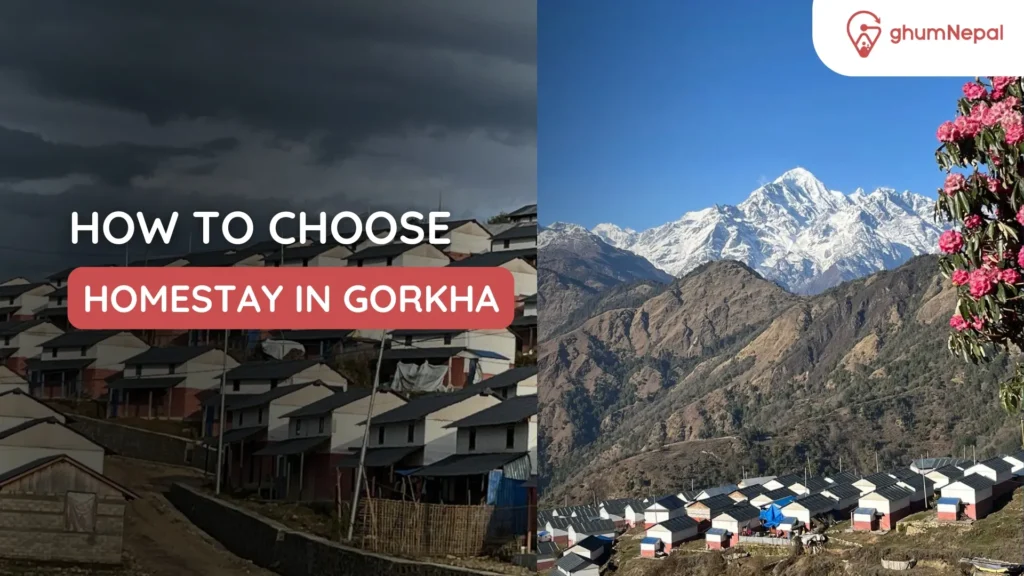
Nestled among rolling green hills with views of the Manaslu range, Gorkha offers one of Nepal’s most intimate and unspoiled homestay experiences if you know what to look for.
The Gorkha district is the ancestral homeland of the legendary Gurkha warriors and the birthplace of Nepal’s first king, Prithvi Narayan Shah. For travelers who venture beyond Pokhara and Kathmandu, this culturally rich hill town rewards them with terraced farmland, living Hindu and Buddhist traditions, and warmhearted local families who open their homes to visitors.
A well-chosen Gorkha homestay can be the highlight of your entire Nepal journey, but with so many options ranging from rustic village rooms to polished eco-lodges, choosing wisely matters.
This guide covers everything you need to make the right Gorkha homestay booking: the types of accommodation available, what to look for in a host family, how to assess value and comfort, eco-conscious choices, and practical tips for first-timers.
Why You Should Choose Homestay Over Hotels in Gorkha
Gorkha accommodation options include small guesthouses and trekking lodges, but none match the depth of experience a local homestay in Gorkha provides. Staying with a family means waking to the smell of dal bhat being prepared on a wood fire, helping with morning chores if you wish, and hearing stories about local history told with quiet pride. It is immersive travel at its most genuine.
- Cultural immersion: share meals, festivals, and daily rituals with a Gorkha family rather than observing from a distance.
- Authentic home-cooked Gurung, Magar, or Brahmin cuisine prepared with locally grown ingredients is unmatched in any restaurant.
- Direct economic impact: your money goes straight to the family, supporting sustainable livelihoods in rural Nepal.
- Affordable comfort: An affordable homestay in Gorkha often includes meals, local guides, and warm hospitality for a fraction of hotel costs.
- Access to hidden trails: local hosts know paths, viewpoints, and villages that no guidebook lists. This local knowledge is priceless.
While hotels offer consistency, understanding the pros and cons of hotel vs homestay in Nepal reveals why families prefer the latter for cultural depth.
Types of Homestay in Gorkha Nepal
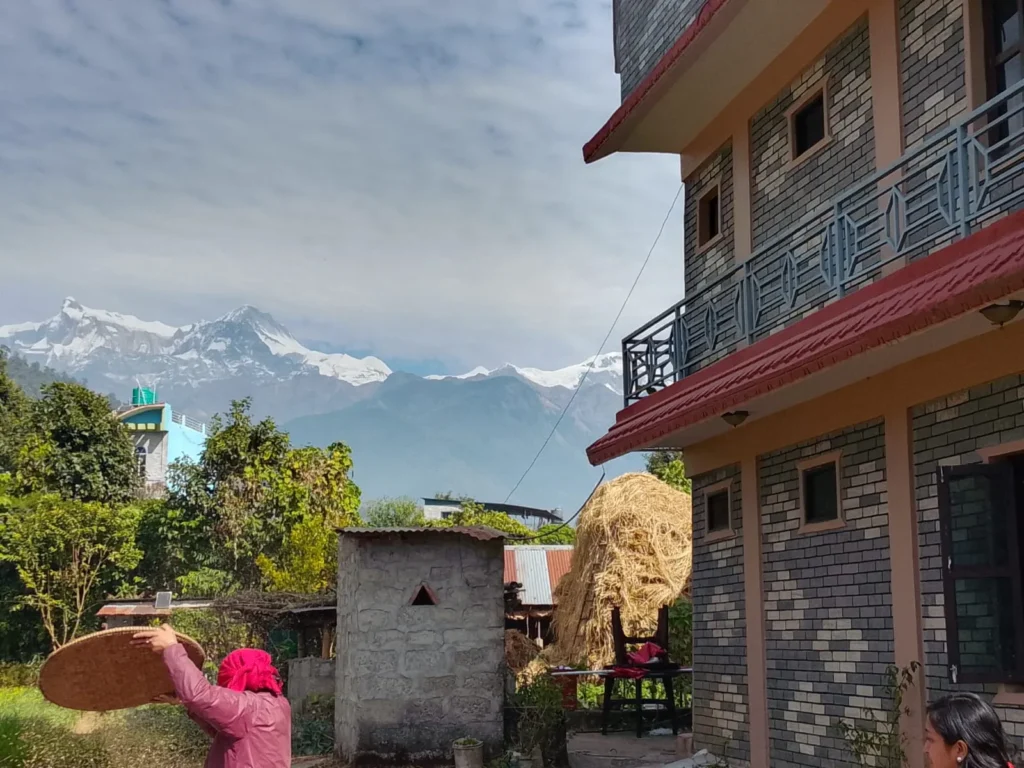
Understanding the landscape of Gorkha accommodation options helps you match your expectations to reality before you book.
- Traditional homestay: Stone or mud-brick house with a central courtyard, shared bathrooms, and basic amenities. Maximum authenticity.
- Family homestay: Modern or semi-modern home with a private or semi-private room. Ideal for families with children or comfort-focused travellers.
- Eco-friendly homestay: solar-powered, composting, organic garden. Appeals to responsible travellers who want low-impact stays.
- Village homestay: Located in remote hamlets like Laprak, Barpak, or Tsum Valley. Deep community immersion, minimal facilities.
- Trekking base homestay: On the Manaslu Circuit or Ganesh Himal approaches. Functional, well-stocked, and accustomed to hikers.
- Cultural heritage stay: Near Gorkha Durbar or the Manakamana area. History-focused hosts, traditional architecture, and festival access.
Travel Tip
For a first Gorkha village homestay experience, choose a family near Gorkha Bazaar. You get the atmosphere of a traditional homestay in Gorkha, Nepal, with enough infrastructure (electricity, mobile data, and health post) to stay comfortable if plans change.
Key Factors When Choosing a Gorkha Homestay
Finding the perfect homestay in Gorkha goes beyond just a place to sleep. Whether you’re seeking comfort, authentic cultural experiences, or budget-friendly options, knowing what to look for can transform your stay. Here are the essential factors to consider before booking your Gorkha homestay.
1. Location & Accessibility
Gorkha town sits at around 1,100 meters elevation, roughly 7 hours by bus from Kathmandu or 3 hours from Pokhara via Dumre. Within the district, homestays range from the town centre to villages like Arughat (gateway to Manaslu), Tarkughat, and high-altitude hamlets.
Consider whether you want:
- Easy access to the famous Gorkha Durbar hilltop palace
- Proximity to trekking trailheads
Central locations offer easy access to transport and attractions, while village stays provide a more immersive and quiet experience. GPS coordinates and Google Maps links shared by your host before arrival are a reliable sign of a well-organized operation.
If you want a true cultural escape, go for a local homestay in Gorkha in a traditional village setting.
How to Get to Gorkha
- From Kathmandu: Buses and micros depart from Gongabu New Bus Park. Expect a 6–7 hour journey via the Prithvi Highway. Tip: Look for “Sajha Yatayat” or deluxe buses for more comfort.
- From Pokhara: Take a micro-bus from Prithvi Chowk. This is a quicker 3–4 hour trip depending on traffic.
- Private Hire: Best for groups. A private Jeep allows for scenic photo stops along the Trishuli River and cuts down travel time.
- The Final Leg: From Gorkha Bazaar, remote villages like Barpak or Laprak require an extra 2–4 hour Jeep ride. Coordinate with your host for station pickups.
2. Host Family Background
The best homestay in Gorkha, Nepal, is defined by its hosts. Look for families with:
- At least one English-speaking member
- Experience hosting international travelers
- A genuine desire to share their culture
Read guest reviews carefully. References to the host family by name, specific meals remembered, or personal stories shared are strong indicators of a warm exchange. Families who provide thoughtful responses to questions or special requests make your stay truly memorable.
3. Hygiene and Comfort Standards
Standards vary widely. For an affordable homestay in Gorkha, expect:
- Clean bedding
- Private or family-shared squat toilet (sit toilets are increasingly common)
- Bucket showers
- Boiled or filtered drinking water
Red flags include no mosquito nets (essential April–October), no lockable room, or kitchens without visible handwashing facilities. Hosts displaying the Nepal Tourism Board’s voluntary homestay certification have met baseline hygiene and safety requirements.
For many first-timers, a common question is are homestays in Nepal safe? In Gorkha, registered homes follow strict safety guidelines.
4. Meals and Dietary Accommodations
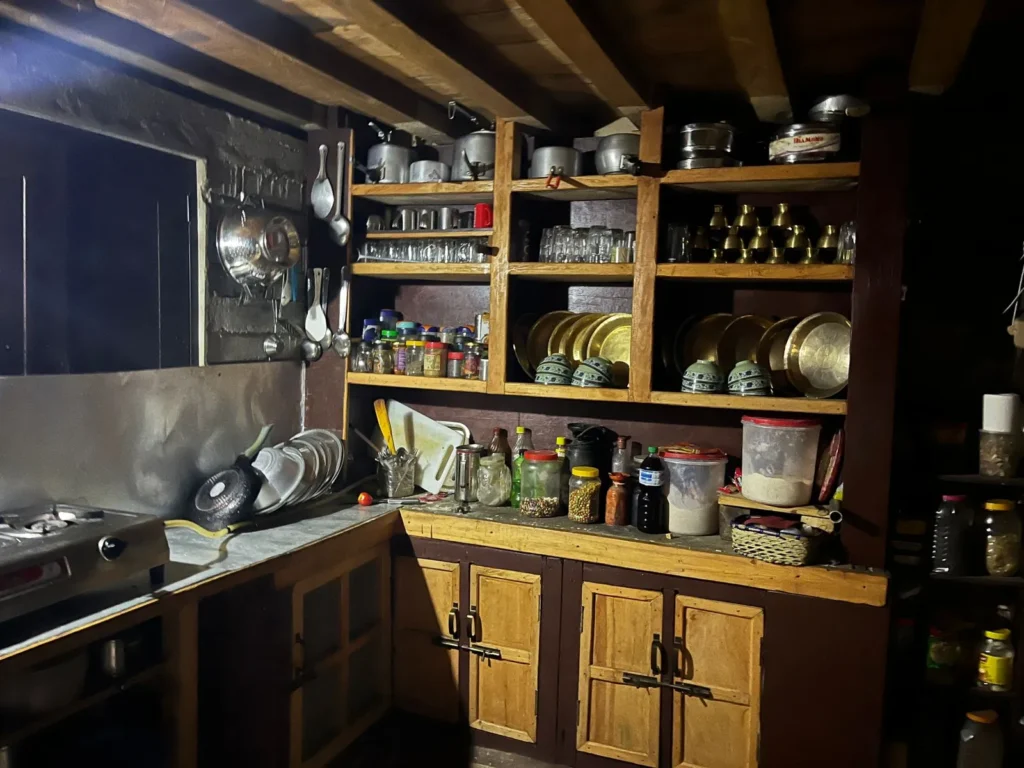
Dal bhat (lentil soup), steamed rice, seasonal vegetables, and achaar (pickle) are the daily staple and one of the great meals of the world when prepared by a skilled Gorkha cook. Most hosts also serve roti, sel roti (sweet rice bread), and local curries.
If you follow a vegetarian, vegan, or gluten-free diet, communicate this clearly before booking. Families who respond with specific menu adjustments (rather than a vague “no problem”) genuinely accommodate dietary needs.
5. Determine Your Budget
Before starting your Gorkha homestay booking, set a budget:
- Affordable homestays: Basic village stays, perfect for budget travelers
- Mid-range stays: Better facilities, meals, and comfort
- Premium homestays: Added comfort, scenic views, and modern amenities
Choose what suits your travel style without compromising safety and cleanliness. Compared to the national average for accommodation cost in Nepal, Gorkha remains one of the most affordable regions for authentic stays.
6. Look for Authentic Cultural Experience
One of the main reasons travelers choose homestays is to experience authentic Nepali culture. A traditional homestay in Gorkha, Nepal, should offer:
- Local food like Dal Bhat
- Cultural activities or storytelling
- Insight into daily village life
This is what makes your stay unique and memorable.
7. Check Reviews and Ratings
Before confirming your booking, always check online reviews and ratings. Look for feedback on:
- Cleanliness
- Hospitality
- Food quality
- Safety
Choosing the best homestay in Gorkha Nepal, often comes down to consistent positive reviews.
8. Evaluate Amenities and Facilities
Not all homestays offer the same level of comfort. Depending on your needs, check for:
- Clean rooms and bedding
- Attached or shared bathrooms
- Wi-Fi availability
- Hot water and electricity
If sustainability matters to you, consider an eco-friendly homestay in Gorkha that promotes responsible tourism.
9. Consider Travel Purpose
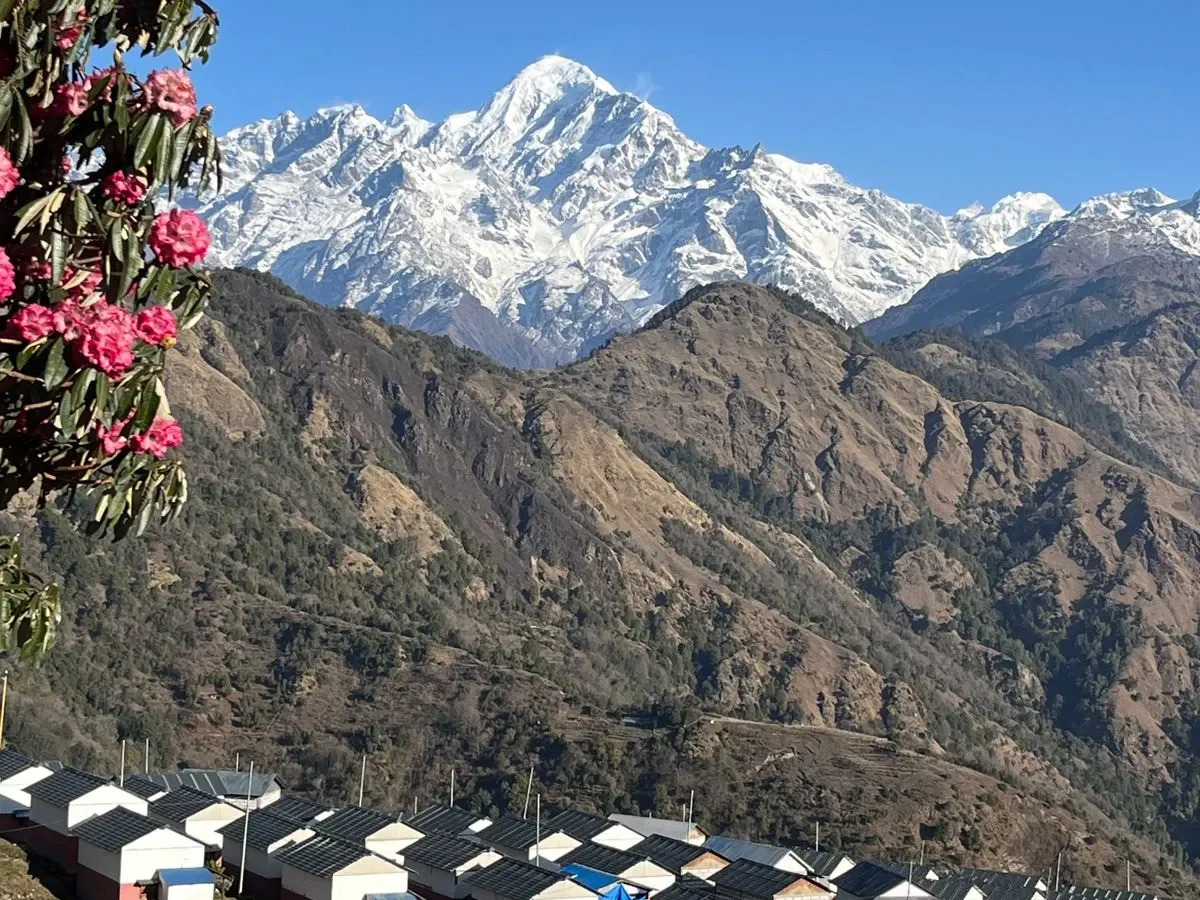
Your ideal homestay depends on your travel goals:
- Relaxation: Choose a peaceful village stay
- Family trips: Opt for a family homestay in Gorkha
- Cultural exploration: Choose a traditional village homestay
Understanding your purpose helps narrow down the best Gorkha accommodation options.
10. Compare Different Options
Don’t settle for the first option you find. Compare multiple listings based on:
- Price
- Location
- Services
- Reviews
This step is essential for finding the most suitable Gorkha homestay for your trip.
11. Communicate with the Host
Before finalizing your booking, try to communicate with the host. Ask about:
- Meal options
- Check-in/check-out times
- Local activities or guides
Friendly and responsive hosts are a good sign of a great homestay experience.
Tip: If you are visiting during the Tihar festival, ask your host if you can join the ‘Deusi-Bhailo’ celebrations. Most Gorkha families love involving guests in the traditional singing and dancing.
Also, If you have extra time during your journey, consider a stop at Kurintar to take the Manakamana Cable Car. It’s a 10-minute ride to the famous Manakamana Temple and offers a stunning aerial view of the Trishuli River valley before you continue the drive up to Gorkha Bazaar.
How to Book Your Gorkha Homestay: Platforms vs Direct
Booking a Gorkha homestay can be done in several ways, each with its own benefits and trade-offs. Understanding them helps you choose the method that best suits your travel style.
| Method | Best For | Pros | Cons |
| Online Platforms | First-timers | Verified reviews & secure payment | Platform fees; less personal |
| Direct (WhatsApp) | Experienced travelers | Lowest price; direct relationship | No verified review system |
| Community Networks | Impact travelers | Vetted hosts; supports the village | Less flexibility; manual booking |
Pro Tip: Using ghumNepal for Booking
For travelers looking for reliability and convenience, ghumNepal makes Gorkha homestay booking easy. Every listing comes with:
- Verified host profiles
- Photos and reviews from previous guests
- Transparent pricing and payment options
For rural hosts who prefer direct communication, WhatsApp still works well. Send a message with your travel dates, group size, and dietary needs. A host who responds with availability, meal costs, and directions within 24 hours is usually reliable. A short video call before arrival can provide extra confidence.
Eco-Friendly Homestay in Gorkha: Sustainable & Responsible Choices
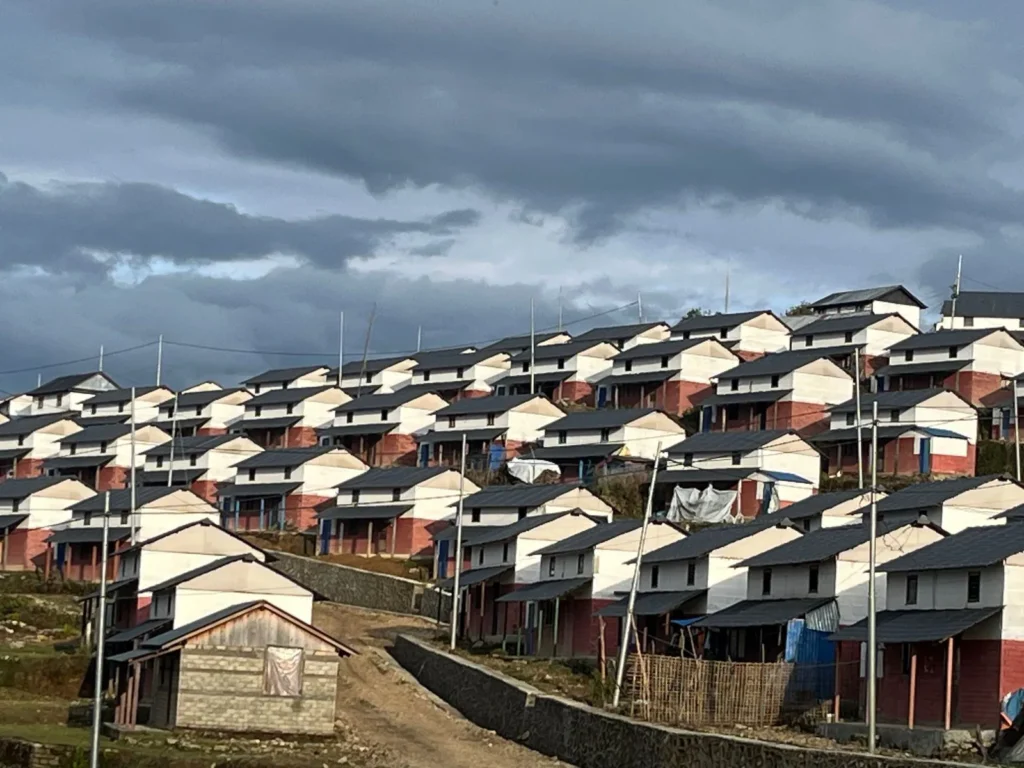
Gorkha district has strong roots in community-managed forest conservation, and several eco-friendly homestay options in Gorkha have emerged from these networks. These stays go beyond green marketing; they are working farms or forest-adjacent homes genuinely trying to reduce their environmental footprint.
- Solar panels or micro-hydro electricity, not diesel generator
- Organic vegetable garden supplying the kitchen ask to see it
- Composting toilet or biogas plant for waste management
- Refillable water station (avoids single-use plastic bottles)
- Host involved in local conservation, women’s cooperative, or forest user group
Best Areas to Stay in Gorkha: Find Your Ideal Homestay
Where you stay within Gorkha shapes your entire experience. Here is a quick orientation of the main zones where a local homestay in Gorkha can be found.
- Gorkha Bazaar (Prithvi Chowk area) is central, excellent for sightseeing, has easy transport, and has good mobile data. Ideal first night.
- Hamdi/Tallo Pakho area: terraced farms, spectacular sunrise views of Ganesh Himal, and a quieter and more rural feel.
- Arughat Bazar is a riverside market town and the starting point for Manaslu Circuit trekkers. Energetic, affordable, and a great logistics hub.
- Barpak village was heavily rebuilt after the 2015 earthquake, a remarkable story of community resilience. Deep Gurung culture, limited facilities.
- Tsum Valley villages are remote, Buddhist-majority, and restricted areas (permit required). The most immersive Gorkha village homestay experience possible.
If you are short on time but crave a similar vibe, consider looking for a home stay near Kathmandu before heading further west to Gorkha.
Questions to Ask Before You Confirm Your Stay
Before finalizing your Gorkha homestay booking, send a quick message to clarify:
- Is the room private with a lockable door?
- Is hot water provided via solar, geyser, or bucket?
- Are all three meals included in the daily rate?
- Is there a charging station for phones/cameras?
Because Gorkha is a gateway to the Manaslu Circuit, check out the best places to stay during trekking season in Nepal for more options.
Traveler Tip: If you are visiting between April and October, always confirm that your room includes mosquito nets. While Gorkha is at a higher elevation, the monsoon season brings plenty of activity!
Final Thoughts
Choosing the perfect Gorkha homestay is all about balancing comfort, authenticity, and budget. Whether you’re looking for an affordable homestay in Gorkha or a rich cultural stay in a village, the right choice will make your trip unforgettable.
Use this Gorkha travel stay guide to compare options, read reviews, and select a homestay that matches your expectations. With the right planning, your stay in Gorkha will be filled with warm hospitality, cultural insights, and breathtaking views.
Frequently Asked Questions
Traditional Gorkha homestays cost NPR 800–1,500 per night. Family- or eco-friendly stays range from NPR 1,500 to 3,000. Always confirm if meals are included.
Yes. Choose Nepal Tourism Board-registered homestays, read recent reviews, and contact your host via WhatsApp before arrival.
The best season to book homestay in Gorkha are:
October–November: Clear skies & festivals.
March–May: Rhododendron blooms.
Monsoon: Fewer tourists, some closures.
Winter: Cold, quiet, and cultural immersion.
Most villages require no permit, except Tsum Valley & Manaslu, which need MCAP & RAP permits.
Wi-Fi is common in Gorkha Bazaar. Remote eco-friendly homestays may have limited connectivity—confirm with your host.
Ready to Book Your Gorkha Homestay?
Start your search through Nepal’s community-based tourism networks for vetted, fairly priced local homestay in Gorkha options that put money directly into families’ hands.