
Hotel vs Homestay in Nepal
Share:
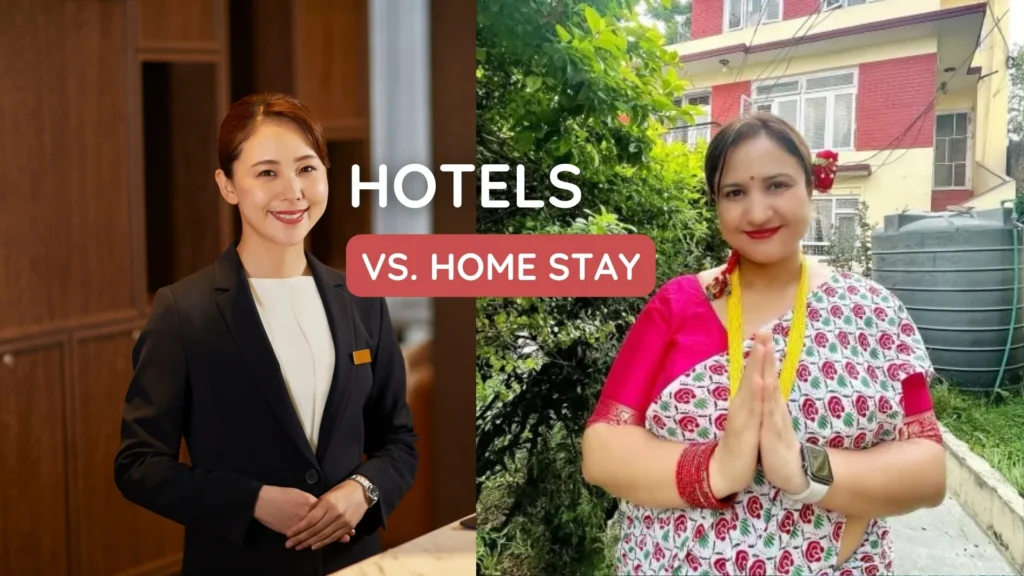
If you are planning a trip to Nepal, one decision will quietly shape your entire journey: where you stay.
You will see this question everywhere ;
hotel vs homestay in Nepal; and the answer is not as simple as it sounds.
Nepal offers modern hotels, family-run homestays, and everything in between. Each option gives you a very different way to experience the country. One gives comfort and structure. The other gives culture and connection.
Whether you are walking through Kathmandu, relaxing near the lakes of Pokhara, or exploring heritage towns like Bhaktapur, your accommodation choice will shape how Nepal feels to you.
This guide helps you clearly understand the difference between hotel and homestay in Nepal, so you can choose what fits your travel style.
| Hotel vs Homestay in Nepal (Quick Summary) If you just want the short answer, here it is:Choose hotels for privacy, comfort, and short stays Choose homestays for culture, local life, and deeper connection Most travelers use both during one trip Kathmandu and Pokhara suit hotels best Heritage towns and villages suit homestays bestYour best stay depends on where you are and how you want to travel. |
What Staying in a Hotel in Nepal Is Like
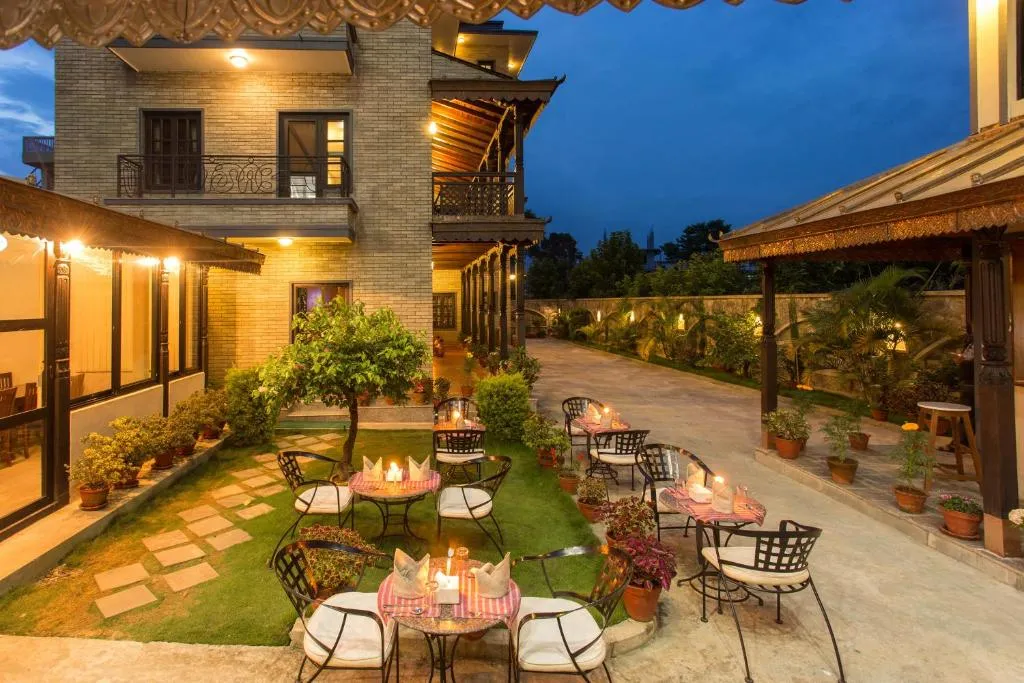
When you stay in a hotel in Nepal, things feel familiar. You check in, collect your key, and retreat into your own space. The room is private. The service is structured. Your time is your own.
Hotels are common in major tourist areas and cities. You will find everything from budget hotels to high-end properties, especially in Kathmandu and Pokhara.
You may prefer hotel accommodation in Nepal if:
- You want privacy and quiet
- You are adjusting to jet lag
- You like predictable services
- You are traveling on a tight schedule
Hotels make travel efficient. You rest well, plan easily, and move through your days without surprises. For many first-time visitors, hotels provide a smooth and comfortable start.
What Staying in a Homestay in Nepal Is Like
A homestay in Nepal feels different the moment you arrive.
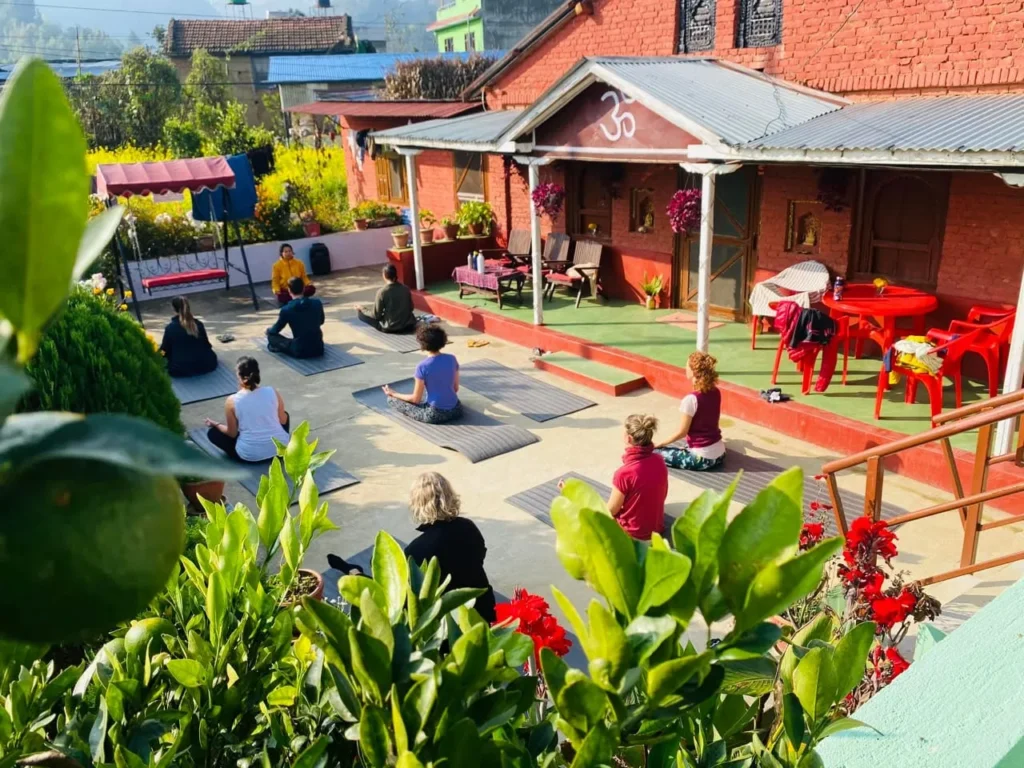
You enter a home, not a lobby. You are welcomed as a guest, not processed as a booking. Someone offers you tea. Someone asks how your journey was. You are noticed.
The homestay experience in Nepal is personal. You may eat home-cooked meals, learn simple customs, or share small conversations that make the place feel alive. Life moves a little slower, and you move with it.
Homestays are common in heritage towns, villages, and quieter neighborhoods. They are especially meaningful in places like Bhaktapur and rural Nepal.
You might choose a homestay if:
- You want to experience local life
- You enjoy cultural exchange
- You prefer meaningful travel over luxury
- You want to support local families
Homestays are not about perfection. They are about authenticity.
Book homestays in best price at ghumNepal
Difference Between Hotel and Homestay in Nepal
The difference between hotel and homestay in Nepal is not about which one is better. It is about how you want to experience the country and how involved you want to be in it.
When you choose a hotel, your stay is designed to give you space. You have a private room, a clear routine, and services that run in the background. You can come and go freely, rest without interruption, and keep your trip moving at your own pace.
Hotels usually suit you when you value:
- Privacy – your room is fully your own
- Structure – clear services and fixed systems
- Independence – minimal interaction unless you want it
A homestay works differently. You are welcomed into a real home, where daily life continues around you. The experience is shaped by people, not processes.
Homestays usually suit you when you value:
- Warmth – personal welcome and genuine care
- Cultural connection – food, customs, and daily life
- Human interaction – shared moments, not scripted service
Neither option is right or wrong. Each one simply offers a different way to stay in Nepal.
Hotel vs Homestay in Nepal: Quick Comparison Table
| Feature | Hotel in Nepal | Homestay in Nepal |
| Type of Stay | Professional accommodation | Stay inside a local family home |
| Privacy | High – private room and space | Moderate – shared home environment |
| Comfort Level | Modern facilities and services | Simple, cozy, and personal |
| Cultural Experience | Limited | Deep and authentic |
| Food | Restaurant-style, often international | Home-cooked Nepali meals |
| Interaction | Minimal and formal | Warm, personal, and informal |
| Cost | Medium to high (varies by city) | Often more affordable, meals included |
| Best For | Short stays, work trips, city travel | Slow travel, cultural immersion |
| Flexibility | Fixed rules and schedules | More flexible and personal |
| Overall Feel | Comfortable and independent | Connected and meaningful |
How to Use This Table
If most of the points you care about fall on the hotel side, a hotel will suit you better.
If more points match the homestay side, a homestay will likely give you a richer experience.
Many travelers naturally mix both hotels in busy cities and homestays in quieter places. That balance often leads to the most rewarding trip in Nepal.
Whether you prefer the comfort of a hotel or the warmth of a homestay, choosing the right place is easier when everything is clear and trusted.
Explore verified stays across Nepal with ghumNepal and pick what truly fits your journey.
Download App on iOS | Download App on Android
Where Homestays Work Best in Nepal
Homestays feel right in places where daily life is still visible and shared. These are places where culture is lived, not displayed.
You’ll find good homestays in:
- Bhaktapur – Best for Newari culture, old streets, local food, and traditional homes.
- Panauti – A quiet heritage town near Kathmandu with strong community homestay programs.
- Bungamati & Kirtipur – Small historic towns where you stay close to local families and traditions.
- Nagarkot (village side) – Homestays here focus more on village life than views or resorts.
- Hemjakot (near Pokhara) – A hill village offering Gurung culture, mountain views, and simple living.
- Ghandruk, Ghalegaon, Bhujung – Popular Annapurna region villages known for well-run community homestays.
- Rural hill and Terai villages – Ideal if you want quiet days, home-cooked meals, and real local rhythm.
In these places, homestays don’t feel like accommodation. They feel like being hosted.
While hotels provide structured security systems, homestays rely on community trust and family environments. To better understand this, check our are homestays in Nepal safe.
Where Hotels Make More Sense in Nepal
Hotels work better where travel is busy, time matters, and comfort needs to be predictable.
You’ll find the best hotel options in:
- Kathmandu – Especially in Thamel, Lazimpat, Durbar Marg, and Boudha.
Good for arrivals, departures, business travel, and short stays. - Pokhara- Mainly around Lakeside and nearby areas. Ideal for relaxing stays, post-trek recovery, and easy movement.
- Bhaktapur (near Durbar Square) – Small boutique hotels that offer comfort close to heritage areas.
- Chitwan National Park area – Hotels and lodges designed for wildlife tours and guided activities.
In these places, hotels make travel smoother. You rest well and move easily.
How Most Travelers Actually Stay in Nepal
Many travelers don’t choose just one type of stay.
A common pattern looks like this:
- Hotels in Kathmandu and Pokhara
- Homestays in heritage towns and villages
This mix gives you comfort when travel feels intense, and connection when you slow down.
It’s often the balance people remember most.
Is Homestay Cheaper Than Hotel in Nepal?
You might also wonder, is homestay cheaper than hotel in Nepal?
In many cases, yes, especially when meals are included. Homestays often provide better value for longer stays and slower travel. Hotels may cost more, but they save time and mental effort, particularly in busy areas.
Instead of choosing only by price, it helps to ask:
- Do you want ease, or experience?
- Do you want privacy, or participation?
That question usually leads you to the right answer faster than comparing numbers.
Typical Cost of Hotels and Homestays in Nepal
Cost is often the first thing travelers think about, especially on a longer trip. While prices change by season and location, these general ranges help you plan realistically.
- Homestays
NPR 1,000–3,500 per night
Often includes breakfast or full home-cooked meals - Budget hotels
NPR 2,000–5,000 per night
Basic comfort, private rooms, limited services
Mid-range hotels
NPR 6,000–12,000 per night
- Better rooms, consistent service, good locations
- Luxury hotels and resorts
NPR 15,000+ per night
Full facilities, privacy, and premium comfort
Homestays usually offer better value for longer stays. Hotels often cost more but save time and effort, especially in busy cities.
Cost is an important factor when choosing between hotels and homestays. For a detailed breakdown of accommodation prices across Nepal, see how much accommodation costs in Nepal.
When a Homestay May Not Be the Right Choice
Homestays are meaningful, but they are not for everyone.
A homestay may not suit you if:
- You need strict privacy
- You work late or take many calls
- You expect room service or hotel-style facilities
- You are uncomfortable sharing space
Choosing a hotel in these cases doesn’t make your trip less authentic. It simply makes it more comfortable for you.
Comfortable or Connected: A Simple Way to Decide
When comparing hotels vs homestays Nepal, the decision becomes clearer when you frame it this way:
Do you want your stay to feel comfortable, or connected?
Comfort gives you rest and efficiency.
Connection gives you meaning and memory.
Most travelers don’t choose just one. They choose what fits that part of the journey.
Common Mistakes First-Time Travelers Make in Nepal
Many travel problems come from small booking mistakes.
Common ones include:
- Booking a homestay in a busy city and expecting silence
- Booking a hotel in a village and expecting hotel-level service
- Choosing only by price, not location
- Not checking what meals are included
Hotel or Homestay in Nepal: Which One Fits You Best?
Choose a hotel if you:
- Prefer privacy and personal space
- Are traveling for work or short visits
- Want modern facilities and quick service
Choose a homestay if you:
- Want cultural immersion
- Enjoy personal interaction
- Travel slowly and thoughtfully
Many travelers naturally move between the two. Hotels work well in busy cities. Homestays feel better in quieter places. This balance often leads to the most satisfying trip.
Quick Recommendation by Place
If you want a quick answer, this helps:
- Kathmandu → Hotel first, homestay later
- Pokhara → Hotel near Lakeside, homestay in nearby hills
- Bhaktapur → Homestay for culture, boutique hotel for comfort
- Villages & trekking areas → Homestay
Your choice often depends on your itinerary check out our comparison of short stay vs. long stay in Nepal for more insights.
Does Season Affect Hotel vs Homestay in Nepal?
Yes, the season can change what feels comfortable or practical.
- Spring and Autumn (peak seasons)
Both hotels and homestays fill quickly. Booking in advance matters, especially in Kathmandu, Pokhara, and popular villages. - Monsoon season
Homestays often feel warmer and more personal, while some remote hotels may have limited services. - Winter months
Hotels provide more reliable heating and facilities. Homestays are still welcoming but may feel simpler in colder areas. - Festival periods
Homestays offer a closer look at local celebrations, food, and traditions, which many travelers find rewarding.
Season doesn’t change what to choose, but it can change what feels best.
How to Choose a Trustworthy Hotel or Homestay in Nepal
Wherever you stay, trust matters.
Before booking, it helps to:
- Check recent reviews, not just old ones
- Look at real photos, not only polished images
- Confirm what’s included (meals, Wi-Fi, bathroom type)
- Choose platforms that verify listings and hosts
This small check saves time, avoids disappointment, and makes your stay smoother.
If This, Then That: A Simple Decision Guide
- If this is your first night in Nepal → choose a hotel
- If you are staying three nights or more → try a homestay
- If you are traveling with family → hotel in cities, homestay in villages
- If culture matters more than comfort → homestay
Making the Choice Easier with ghumNepal
Choosing between a hotel and a homestay in Nepal is not about doing it “right.”
It’s about doing what feels right for this part of your journey.
Some days call for comfort and privacy.
Other days call for conversation and connection.
When you understand the difference, your accommodation stops being a decision and starts supporting your experience.
Platforms like ghumNepal make this easier by showing verified hotels and authentic homestays in one place, so you can choose with clarity instead of guesswork.
Internal Reading You May Find Helpful
If you want to go deeper, these topics usually help travelers plan better:
- Where to stay in Kathmandu for first-time visitors
- Best areas to stay in Pokhara
- How to choose accommodation for rural Nepal
- First-time travel tips for Nepal
- Best time to Book Hotels in Nepal
Frequently Asked Questions
Is it better to stay in a hotel or a homestay in Nepal?
It depends on your travel style. Hotels are better for privacy, comfort, and short stays. Homestays are better for cultural experience, local food, and longer, slower travel. Many travelers choose both during one trip.
Is homestay cheaper than hotel in Nepal?
Yes, in most cases homestays are cheaper than hotels, especially because meals are often included. Hotels usually cost more but offer more privacy and facilities
What is the main difference between hotel and homestay in Nepal?
The main difference is the experience. Hotels focus on comfort, structure, and independence. Homestays focus on culture, human connection, and local life.
Are homestays safe for foreign travelers in Nepal?
Yes, homestays are generally safe for foreign travelers, especially when booked through verified platforms. Most are family-run and known for warm hospitality.
Can tourists stay in homestays in Nepal?
Yes. Homestays in Nepal welcome international tourists and are popular among travelers who want to experience Nepali culture more closely.
Do homestays in Nepal provide private rooms?
Most homestays offer private rooms, but bathrooms may be shared in some places. It’s important to check room details before booking.
Do homestays include food?
Many homestays include breakfast, and some include all meals. This is one reason homestays often provide better value than hotels.
Are hotels better than homestays in Kathmandu?
In busy cities like Kathmandu, hotels are usually more convenient because of transport access, privacy, and modern facilities. Homestays work better in quieter areas or heritage towns.
Which is better for first-time visitors: hotel or homestay in Nepal?
For first-time visitors, hotels are often easier at the start of the trip. Homestays work well later, once you are more comfortable with local travel.
Is it okay to stay in a homestay for one night?
Homestays are better for stays of two nights or more. For one-night or transit stays, hotels are usually more practical.
Do homestays have Wi-Fi and hot water?
Some homestays do, especially near cities and tourist areas, but not all. Hotels usually provide more reliable Wi-Fi and facilities.
Should I book hotels and homestays in advance in Nepal?
Yes, during peak seasons it’s best to book in advance, especially in popular places like Pokhara and Bhaktapur.