Budget Accommodation Options in Nepal Explained
Share:
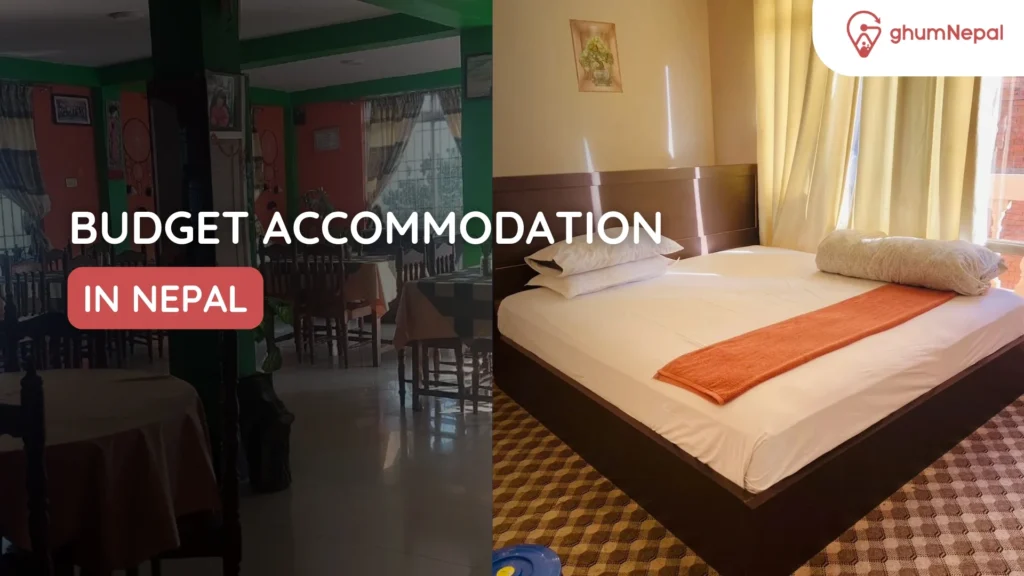
Honestly, one of the best things about traveling through Nepal is that your money goes a long way. If you are looking for budget accommodation in Nepal, you’ll quickly find that whether you are landing in the chaos of Kathmandu or waking up to mountain views in Pokhara, finding a place to crash doesn’t have to break the bank.
But “budget” here can mean anything from a social dorm bed to a surprisingly nice private room in a family-run guesthouse.
Basically, it comes down to what you’re willing to compromise on and knowing where the real value hides. For more local insights and travel planning, you can always check out ghumNepal to help organize your trip.
Understanding the Types of Budget Accommodation in Nepal
When you start looking for budget accommodation in Nepal, you’ll notice a few terms popping up constantly. It’s not just “hotels” and “motels” here; the style of stay changes depending on whether you are in the city or deep in the Himalayas.
1. Hostels in Nepal
The hostel scene has exploded lately, especially in Thamel (Kathmandu) and Lakeside (Pokhara). Hostels in Nepal and backpacker hostels in Nepal are the go-to for solo travelers because they’re social and incredibly cheap.
You can usually grab a dorm bed for anywhere between $5 to $15. Most of the newer spots are actually quite modern, with decent Wi-Fi, rooftop cafes, and even “capsule”-style bunks if you want a bit more privacy.
2. Teahouses on Trekking Routes — The Unbeatable Value
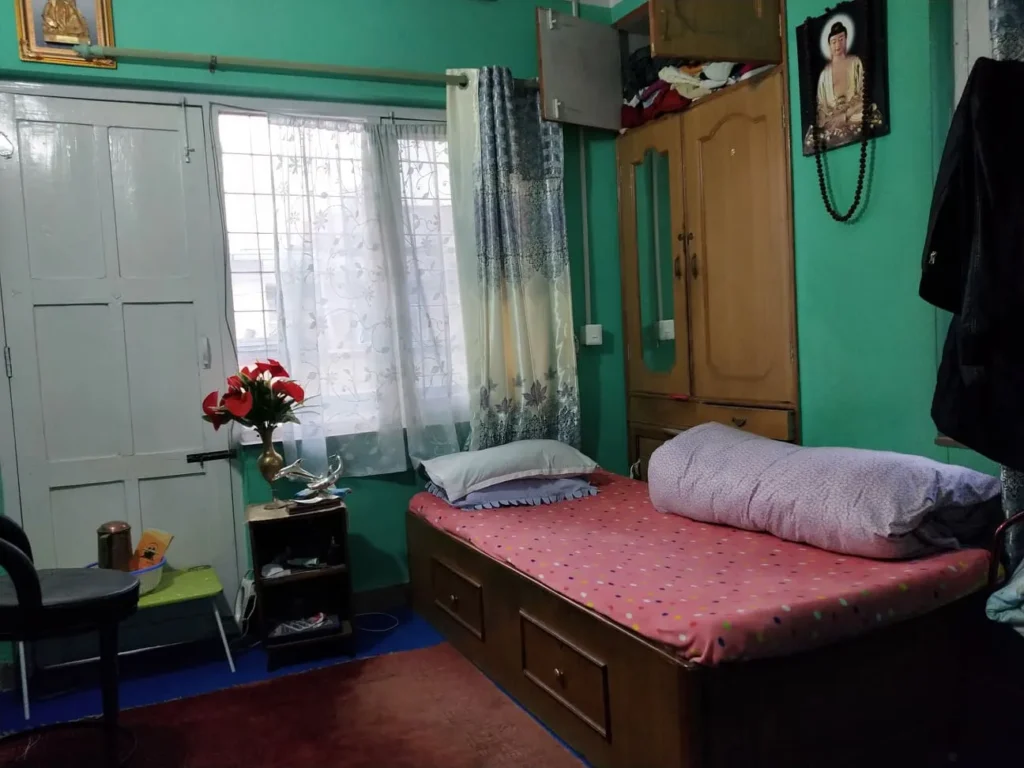
On routes like the Annapurna Circuit, Langtang, or the Everest trail, teahouses are the accommodation. They are simple wooden walls, shared bathrooms, and basic blankets, but they sit in some of the most breathtaking locations on the planet.
The golden rule of teahouses: eat your meals there, and the room is almost free. A typical room costs $3–$10 per night, but that price often drops to zero if you order dinner and breakfast at the same teahouse. It is a fair deal that keeps the trail economy running.
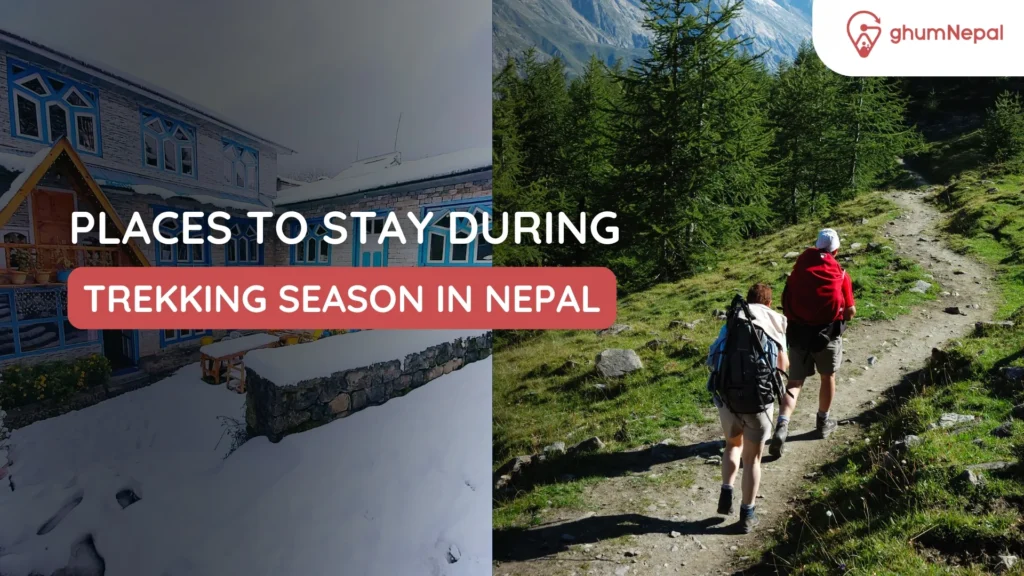
Pro Tip: Always carry a sleeping bag liner on teahouse routes. Blankets are provided, but a liner adds warmth and peace of mind. For a deeper dive into logistics, check out our guide on places to stay during trekking season in Nepal to help you plan your mountain overnights.
3. Guesthouses—Local, Affordable, and Full of Character
Family-run guesthouses sit between teahouses and cheap hotels in terms of comfort. You get a private room, usually a clean shared bathroom, and a family that genuinely cares whether you had a good day.
In cities like Bhaktapur or Boudhanath (Kathmandu), guesthouses offer a quieter, more local alternative to the busy Thamel area.Prices: $12–$25 per night for a private room.
4. Homestays—Sleep Inside Nepal’s Culture
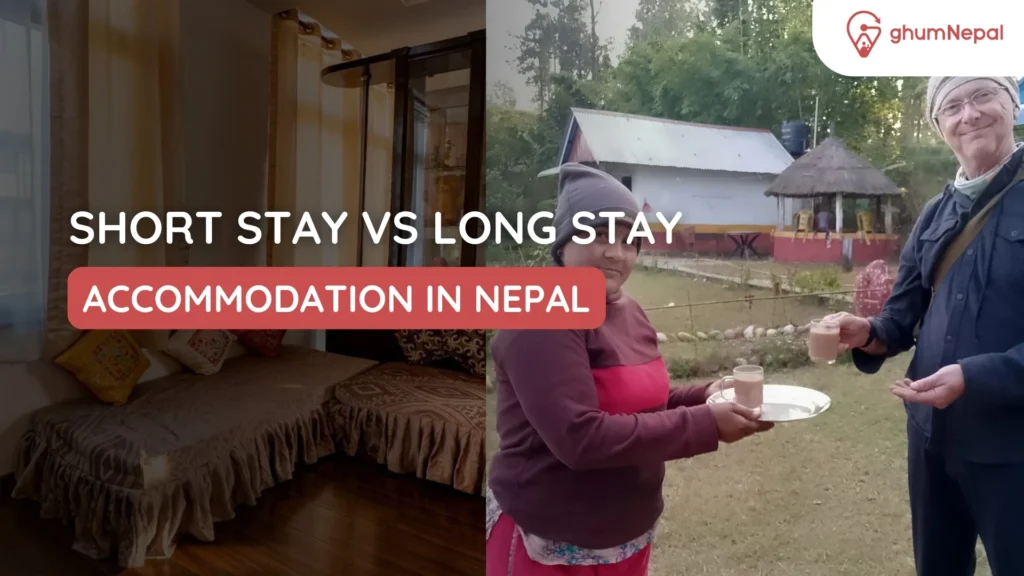
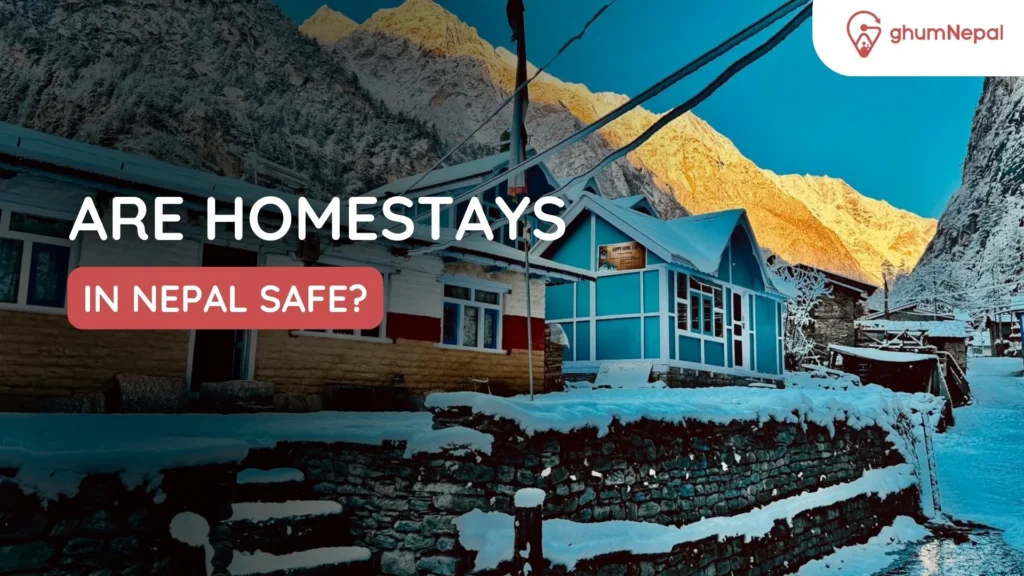
If you want a budget stay in Nepal that feels more personal, homestays are the way to go. These are cheap places to stay in Nepal where you live with a local family. You get a real look at daily life, and the food is almost always better than what you’ll find in tourist restaurants. It’s the ultimate way to find affordability without sacrificing the human connection.
A homestay in Nepal gives you something no hotel can: a seat at the family dinner table. You sleep in a local home, eat dal bhat with a family, and leave with a perspective that most tourists miss entirely. Prices typically run $10–$20 per night, including meals.
Homestays are especially rewarding in rural areas near Chitwan, Bandipur, or Ghorepani, where the cultural exchange is as rich as the mountain views.
Plus, choosing a hotel vs homestay in Nepal can completely change your perspective on local hospitality.
5. Cheap Hotels in Nepal — Private Room, Your Own Terms
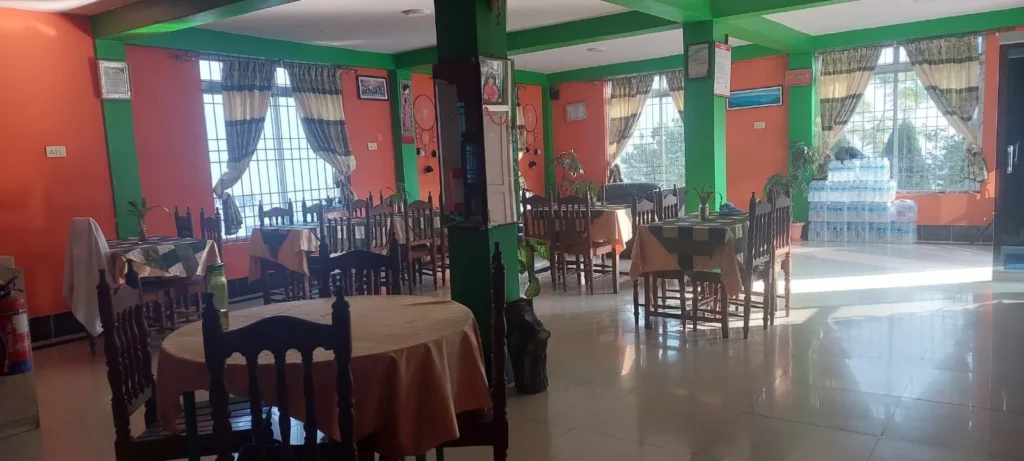
If you aren’t into the dorm vibe, there are plenty of cheap hotels in Nepal, affordable hotels in Nepal, and budget hotels in Nepal that offer you a private room and an attached bath for $15 to $35. These are perfect when you just want to decompress after a long bus ride or a multi-day trek without spending “resort” prices.
If you’re curious about the accommodation cost in Nepal for other categories, it’s worth checking out a full price breakdown.
Cheap hotels in Nepal fill a specific need: you just finished a 10-day trek, you are exhausted, and you want a hot shower and a door that locks. Private room, attached bathroom, no shared anything.
These are not luxury stays. But after days on the trail, a firm mattress and a private bathroom feel like a five-star upgrade.
Average Cost of Budget Accommodation in Nepal
Before choosing where to stay, it helps to understand the typical price range for budget accommodation in Nepal. Prices vary depending on the location, season, and facilities, but travelers can generally expect the following ranges.
| Type | Avg. Price/Night | Best For | Key Feature |
| Dorm Hostel | $5 – $15 | Solo trekkers | Social, ultra-cheap |
| Teahouse | $3 – $10 | Trek routes | Meals included deal |
| Guesthouse | $12 – $25 | Couples/families | Local, homey feel |
| Cheap Hotel | $15 – $35 | Comfort seekers | Private room + bath |
| Homestay | $10 – $20 | Culture seekers | Authentic experience |
Note: Teahouse rooms are often free or very cheap if you eat meals there.
In major travel destinations like Kathmandu and Pokhara, prices may be slightly higher during peak trekking seasons such as October–November and March–May.
Best Areas for Affordable Accommodation in Nepal
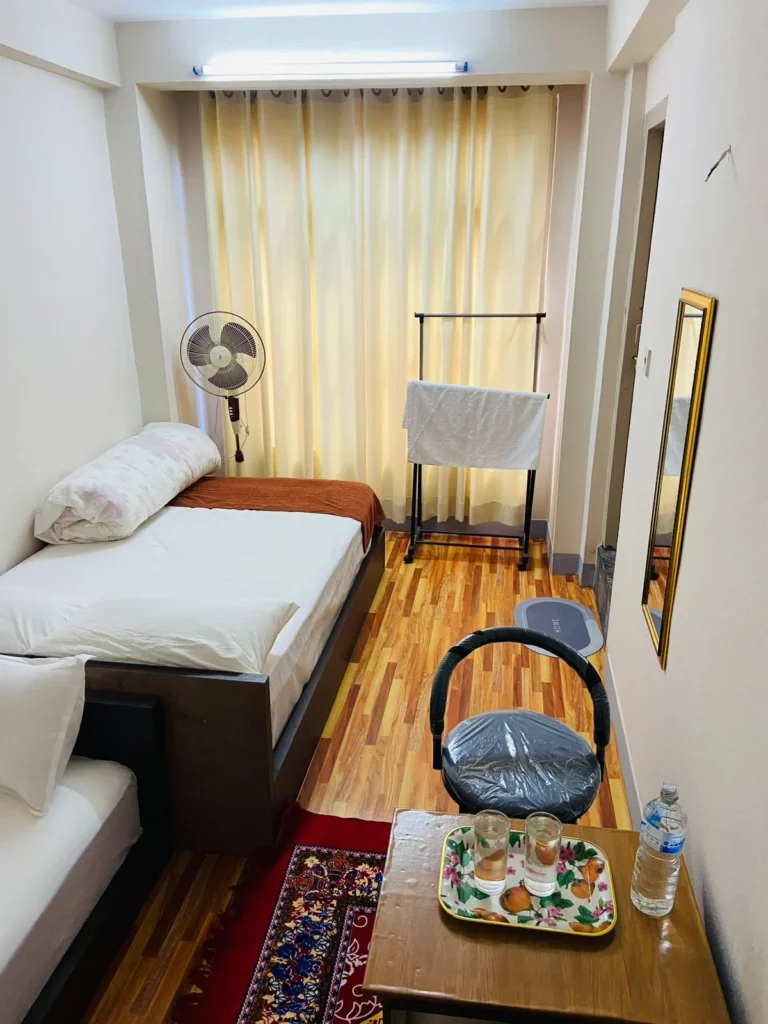
Location is everything when you’re trying to save. Some neighborhoods are built for budget travelers, while others might leave you overpaying for a mediocre room.
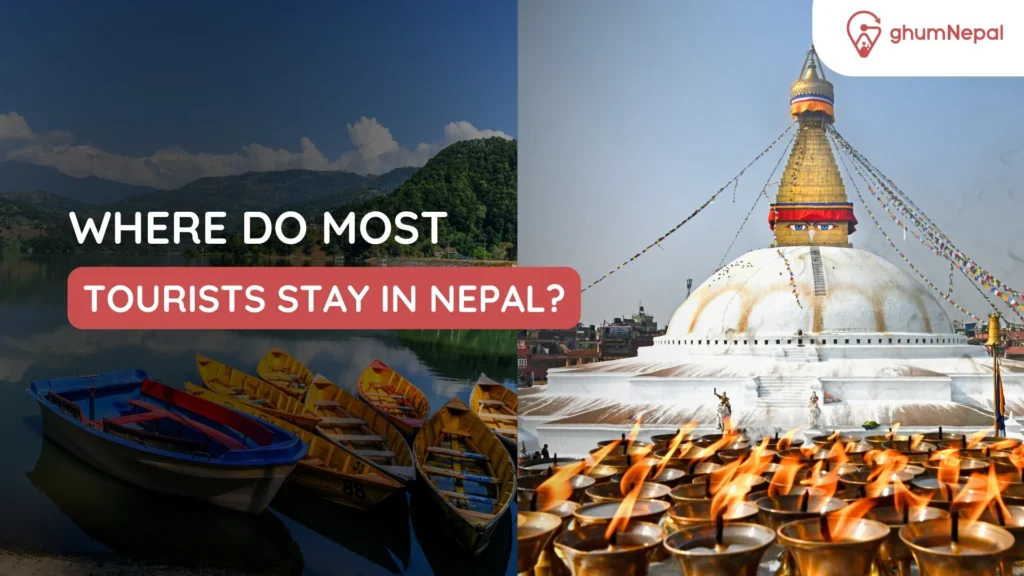
- Thamel (Kathmandu): It’s the tourist hub. Yes, it’s loud, but the sheer competition keeps prices low. You’ll find the highest concentration of hostels in Nepal here. If you want quiet, look for places on the outskirts near Paknajol.
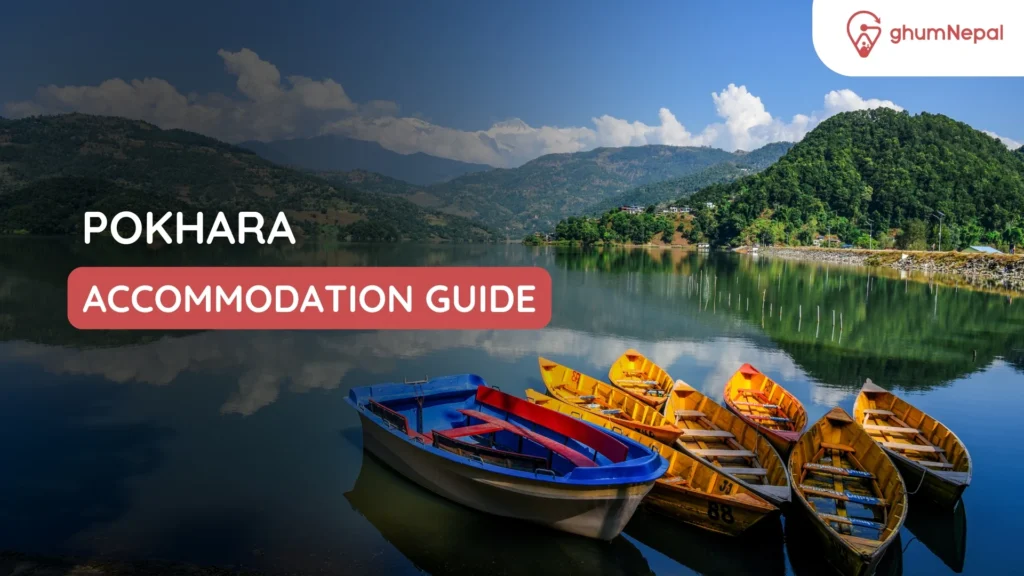
- Lakeside (Pokhara): Generally a bit more relaxed than Kathmandu. The northern end of Lakeside (sometimes called Happy Village) usually offers better affordability if you don’t mind a 10-minute walk to the main strip.
- Boudhanath (Kathmandu): If you want a more spiritual, quiet vibe, staying near the Stupa is a great alternative. It’s affordable, and you’ll wake up to the sound of monks chanting instead of car horns. For more tips on navigating the capital, check out these smart tips for Kathmandu.
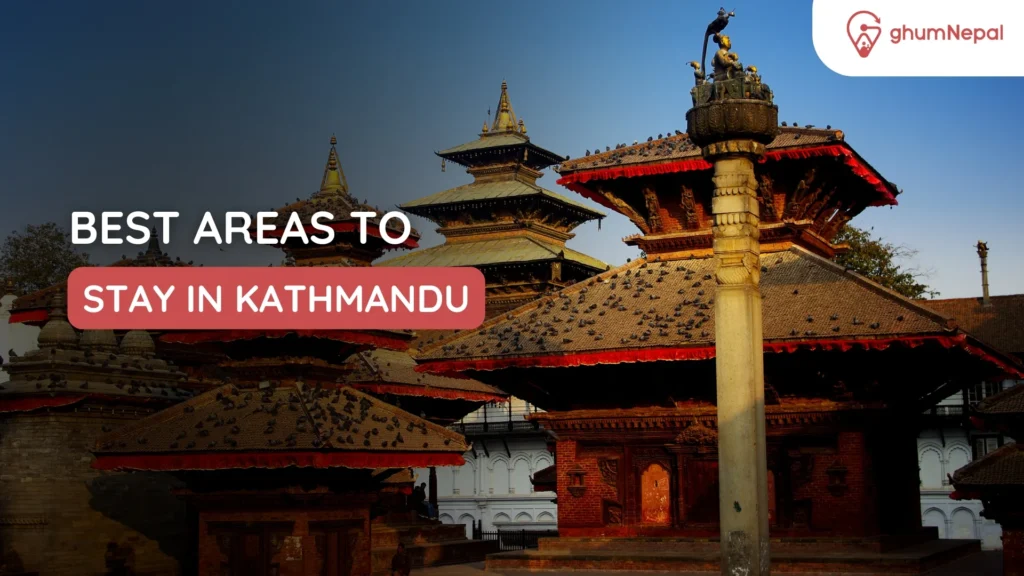
- Bhaktapur: This is like an open-air museum. Staying here gives you access to ancient squares after the day-trippers leave. It offers great low-cost accommodation in Nepal if you look for traditional houses turned into guesthouses.
- Chitwan (Sauraha): The gateway to the jungle. While there are high-end resorts, the village of Sauraha is packed with budget lodging in Nepal. You can find simple bungalows near the river that offer incredible value for money.
What to Expect: Realities of Low-Cost Stays
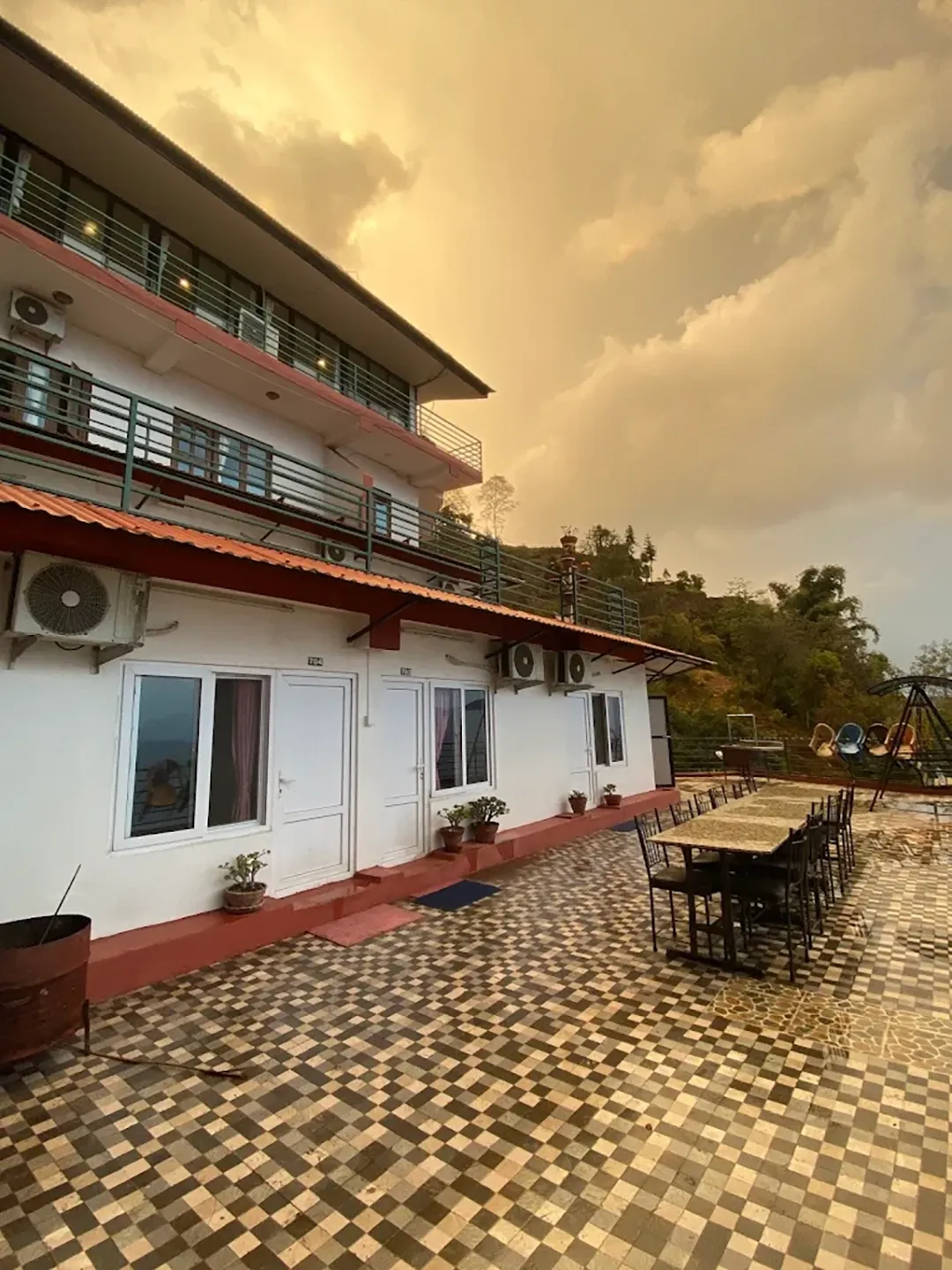
Let’s be real with you: staying cheap in Nepal comes with some quirks. It’s part of the experience, but it’s better to know what you’re getting into.
- Hot Water: Most budget places use solar heating. If it’s been a cloudy day, your shower might be “refreshing” (read: freezing). Always ask if they have a gas geyser or a 24-hour backup.
- Power Cuts: While “load shedding” isn’t as bad as it used to be, occasional outages still happen. Check if your hotel has a generator or at least good emergency lighting.
- The “Check the Room” Rule: Never pay before seeing the actual room. Check the mattress, see if the fan works, and make sure the “attached bath” actually has water. Most owners are totally fine with you doing a quick walk-through.
- Free filtered-water refills: Many budget hostels and guesthouses offer this. Over two weeks, this saves significant money and reduces plastic waste on the trail.
- Luggage Storage: Most will store your extra bags for free while you trek. Confirm this before you head out. It is a standard service at trekking-focused properties.
For first-time visitors, figuring out where to stay in Nepal can feel like a lot, but sticking to these basics usually leads to a great stay.
Note: Never pay for a room without seeing it first. Even in reputable areas, room quality varies widely, especially at the budget end.
Money-Saving Tips for Accommodation in Nepal
Traveling on a budget doesn’t mean you have to miss out on the best experiences. With a little bit of local knowledge, you can stretch your rupees even further while enjoying the authentic side of the country.
- Book Early: For peak seasons (March–May and October–November), book 30–60 days ahead to secure the best rates.
- Alternative Hubs: Areas like Freak Street (Jhochhen) in Kathmandu offer an “old-school” quiet vibe with very cheap traditional private rooms, though facilities may be basic.
- Trekking Budget: Factor in roughly $30–$50 daily for treks. This usually covers your budget lodging in Nepal on the trail, food, and the cost of mandatory licensed guides and permits.
Final Thoughts
At the end of the day, finding budget accommodation in Nepal is less about finding the “lowest price” and more about finding the best value. I’ve stayed in $6 dorms that had better vibes and cleaner sheets than $40 “boutique” hotels.
Don’t feel like you have to book everything months in advance, either. Outside of the absolute peak trekking seasons, you can usually walk into a neighborhood, check out a few cheap hotels Nepal has available, and negotiate a better rate in person.
However, if you are planning for a busy window, knowing the best time to book hotels in Nepal can save you both money and a headache. Nepal is a place that rewards flexibility, so keep your plans a bit loose and enjoy the ride.
Start your Nepal trip right: Compare hostels in Nepal and cheap hotels in Nepal across Kathmandu, Pokhara, and major starting trek points with ghumNepal.
Frequently Asked Questions (FAQ)
In 2026, budget private rooms in cities like Kathmandu and Pokhara typically range from $15 to $35 per night. If you are looking for the absolute lowest cost, dorm beds in backpacker hostels are available for $5 to $15.
Honestly, Nepal is incredibly safe. Locals really look out for you. Most hostels in Thamel or Lakeside feel like secure social hubs with 24/7 desks. Just check the latest reviews first to make sure the “vibe” and safety are still on point.
Most budget spots in cities provide free Wi-Fi, though speeds can fluctuate. Hot water often depends on solar power; it’s best to ask if the property has a gas geyser or “24-hour backup” to ensure a warm shower on cloudy days or during early mornings.
In urban areas, a guesthouse is usually a family-run building offering private rooms and a homey atmosphere. A teahouse is a specific type of budget lodging found along trekking trails (like ABC or EBC) that provides basic rooms and communal meals for hikers.
Absolutely. Outside of the peak trekking seasons (March–May and October–November), many budget hotels and guesthouses are open to negotiation, especially if you plan to stay for more than three nights.
While room rates are transparent, some budget places may charge extra for heavy heater usage, laundry services, or charging electronic devices (mostly in high-altitude teahouses). In cities, always check if the 10% service charge and 13% VAT are included in the quoted price.
Even if blankets are provided, carrying a lightweight travel sheet or a sleeping bag liner is a good idea for added hygiene. Additionally, bring a universal power adapter and a small quick-dry towel, as budget spots may not always provide premium toiletries.
Thamel is the heart of the action with the most variety, but it can be noisy. Paknajol is located just a 5-minute walk from Thamel and offers a much quieter environment with similar “backpacker” prices, making it a favorite for those who want peace without leaving the hub.