Are Homestays in Nepal Safe for Tourists?
Share:
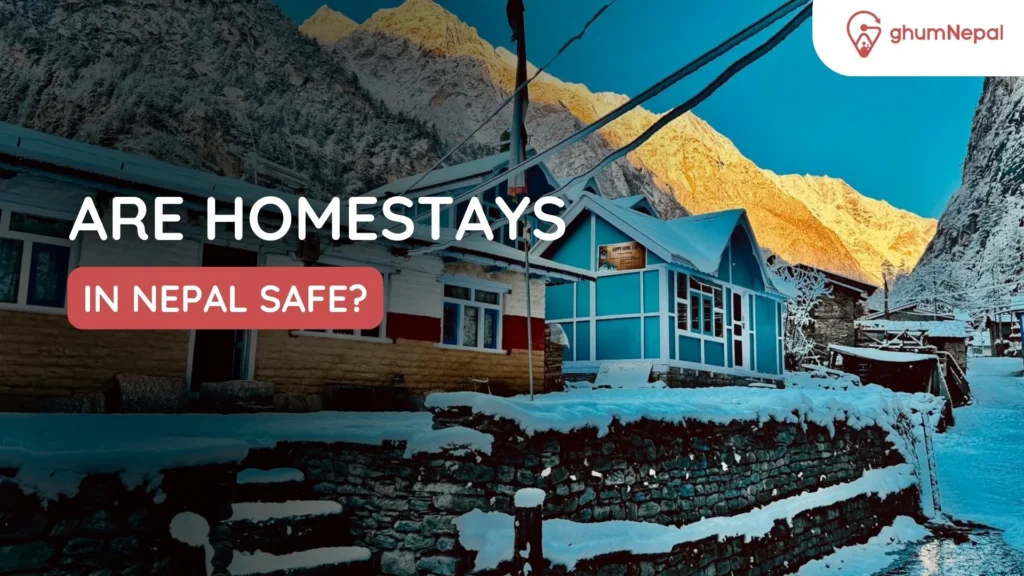
Nepal is famous for mountains, culture, and warm hospitality. But before booking a village stay, most travelers ask one honest question:
Are homestays safe in Nepal?
It’s a smart question. When you stay inside someone’s home, safety matters even more than comfort.
In this guide by ghumNepal, we explain everything about homestay safety Nepal travelers should understand including hygiene, crime rates, solo travel safety, trekking risks, medical access, and seasonal factors.
Let’s break it down clearly and honestly.
Quick Answer: Are Homestays in Nepal Safe?
Yes. Homestays in Nepal are generally safe, especially when they are:
- Community-registered
- Located in popular tourism areas
- Booked through trusted travel companies
- Reviewed by previous travelers
Nepal has a strong hospitality culture. In villages, guests are treated with respect. Hosts often feel personally responsible for your comfort and security.
However, safety depends on:
- Where you stay
- How you book
- Your travel awareness
So if you’re still asking, are homestays safe in Nepal? in most cases, yes, when chosen wisely.
Not sure which location fits your trip? Check our guide on where to stay in Nepal for destination-based recommendations.
How Community-Based Tourism Makes Homestays in Nepal Safe?
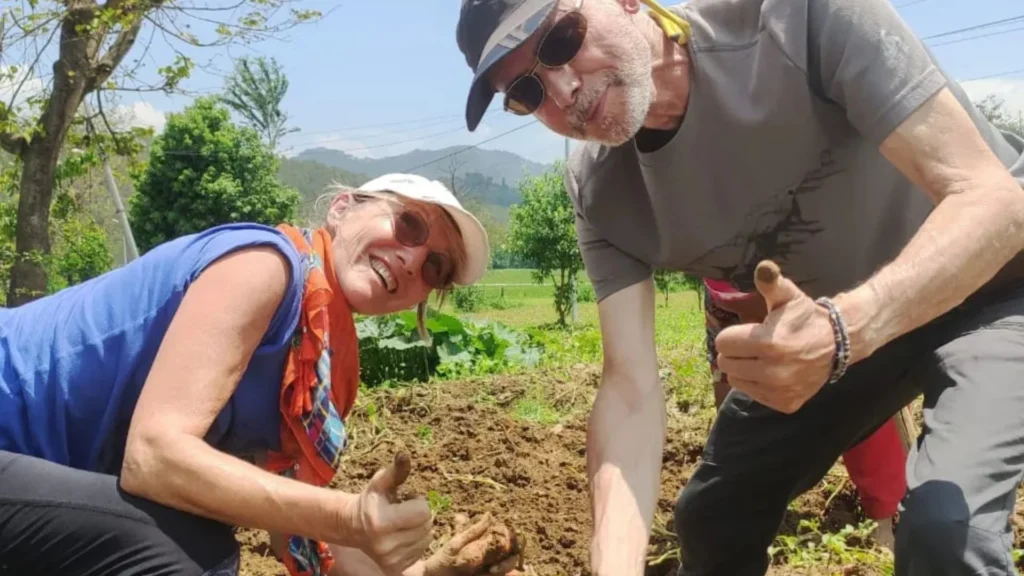
Most organized homestays are part of community tourism systems supported by authorities like the Nepal Tourism Board.
Well-known structured homestay villages include:
- Sirubari
- Ghale Gaun
- Bandipur
- Chitwan
These villages follow:
- Local homestay committees
- Hygiene guidelines
- Guest registration systems
- Rotational booking systems
- Community monitoring
When the entire village is involved, accountability increases. That structure strengthens overall homestay safety Nepal standards.
Crime Rate and Personal Security in Rural Nepal
Many travelers worry about theft or personal harm. Let’s talk honestly.
Rural Nepal has a low violent crime rate. Villages are small and close-knit. Everyone knows each other.
In most homestay destinations:
- Serious crimes against tourists are rare
- Locals are protective of visitors
- Hosts value their reputation highly
Most travel risks in Nepal are not crime-related. Instead, they are:
- Road accidents
- Trekking injuries
- Altitude sickness
Compared to many global travel destinations, the answer to “are homestays safe in Nepal?” is reassuring. Village stays are generally stable and low-risk.
Still, basic precautions apply everywhere:
- Keep valuables secure
- Avoid walking alone late at night in unfamiliar areas
- Inform someone about your itinerary
Common sense goes a long way.
Hygiene and Cleanliness in Nepal Homestays
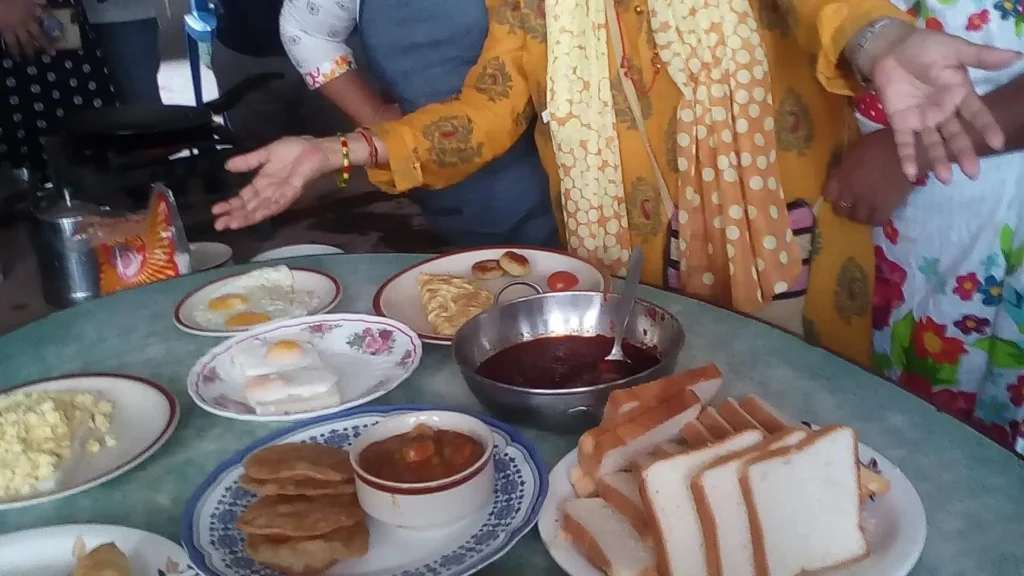
Another big concern is cleanliness.
Let’s be real. Village Nepal is simple. It is not a luxury resort environment.
But most registered homestays provide:
- Clean private or shared rooms
- Fresh bed sheets
- Daily cooked meals
- Boiled or filtered drinking water
- Basic but hygienic bathrooms
In trekking regions like:
- Annapurna Region
- Everest Region
Standards are often higher because international trekkers visit regularly.
Food is usually prepared fresh at home. Since meals are not mass-produced, hygiene is often better than small roadside restaurants.
For extra safety:
- Drink only boiled or filtered water
- Avoid raw salads in remote areas
- Eat food that is freshly cooked and served hot
Simple rule: hot food is safe food.
Solo Female Travelers: Are Homestays Safe in Nepal?
This is one of the most searched concerns.
Many female travelers ask: “Are homestays safe in Nepal for solo women?”
The answer is generally yes, as Nepal is viewed by many travel authorities as a relatively safe place for international visitors overall. Crime levels are considered low, especially in rural areas where most homestays are located, though petty theft like pickpocketing can occur in cities like Kathmandu and Pokhara.
What makes homestays feel safer for solo female travelers?
- You stay with a local family who knows your plans
- Hosts and neighbors watch out for guests
- Rural communities are close-knit
Popular solo-friendly areas include:
- Pokhara
- Langtang Valley
Still, awareness matters:
- Dress respectfully
- Avoid walking alone at night
- Share your travel plan
- Book verified stays
Medical Access and Emergency Support
“What if I get sick in a village?”
Most villages have basic health posts for first aid. Larger towns offer clinics and hospitals.
Trekking regions such as Annapurna and Everest provide emergency evacuation services when required.
In 2025, Nepal welcomed 1,158,459 international visitors, reflecting strong travel confidence.
Homestays are safe but they are not hospitals.
So always:
- Carry medications
- Get travel insurance
- Inform hosts about medical conditions
Preparation protects you.
Natural Disasters and Seasonal Safety
Nepal’s dramatic landscape is stunning but it also means nature can be unpredictable.
Here are the main natural factors travelers should know:
- Monsoon rains (June–September) can cause landslides and disrupt travel
- Heavy winter snow affects high mountain regions
- Earthquakes are possible, Nepal is an earthquake-prone country
During monsoon, access to homestay regions can sometimes be delayed due to rain and road closures, even if the homestays themselves remain intact and safe.
Smart planning helps:
- Travel in spring (March–May) or autumn (September–November)
- Check weather forecasts before moving between regions
- Ask hosts for local safety advice
Preparedness, not fear, makes travels safer.
If you’re unsure about timing your trip, read our guide on the best time to book hotels in Nepal to plan safely and avoid seasonal risks.
Digital Safety and Booking Security
Modern travelers also worry about privacy.
Homestays are family homes, not corporate hotels. So digital safety matters.
Things to consider:
- Some homestays accept cash only
- Wi-Fi may not be secure
- Avoid sending passport copies through random social media accounts
For stronger homestay safety Nepal standards:
- Book through trusted agencies
- Confirm registration
- Avoid unknown Facebook bookings
- Keep copies of important documents
Booking with ghumNepal adds an extra safety layer because stays are verified before recommendation.
Realistic Risk Comparison: Homestays vs Hotels
Let’s compare honestly.
Hotels offer:
- CCTV
- 24-hour front desk
- Formal security systems
Homestays offer:
- Family supervision
- Community protection
- Cultural connection
- Personal care
In rural areas, homestays often feel safer because everyone knows you are a guest.
In cities, hotels may feel more structured.
Safety depends on context.
Still deciding between accommodation types? Explore our detailed comparison of hotel vs homestay in Nepal to choose what suits your travel style.
Safety Standards and Registration Requirements in Nepal Homestays
In Nepal, many organized homestays operate under local municipality guidelines and tourism frameworks supported by the Nepal Tourism Board.
Registered homestays typically follow:
- Guest record documentation
- Basic sanitation standards
- Waste management practices
- Community monitoring systems
- Local tourism committee oversight
This structure improves accountability and strengthens overall homestay safety Nepal standards.
Unregistered private stays may not follow these systems. That is why booking through verified platforms matters.
Trekking Route Homestays: Extra Safety Considerations
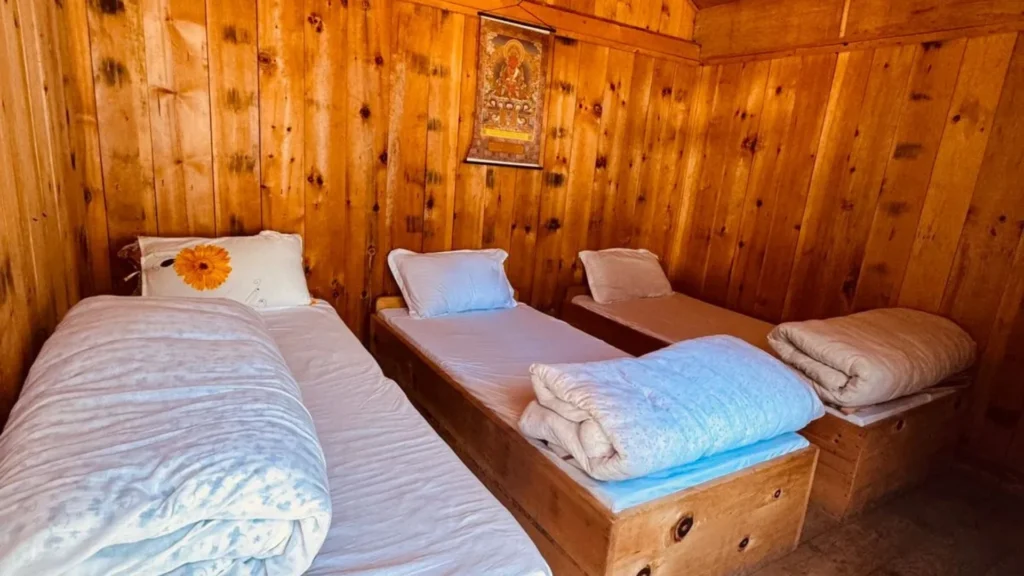
Homestays located along trekking routes such as:
- Annapurna Region
- Everest Region
- Langtang Valley
Often function similarly to tea houses or community lodges.
These areas typically provide:
- Regular tourist flow
- Local guide networks
- Emergency communication access
- Basic altitude awareness
Most safety risks in trekking zones relate to:
- Weather changes
- Altitude sickness
- Trail accidents
Not crime.Understanding this distinction improves clarity around the question:
Are homestays safe in Nepal? Yes, but trekking safety requires preparation.
Cultural Respect and Behavioral Safety
One overlooked aspect of homestay safety Nepal is cultural awareness.
Nepal is a culturally traditional society, especially in rural villages.
To maintain smooth and respectful interactions:
- Dress modestly
- Remove shoes before entering homes
- Ask before photographing people
- Respect local food customs
Cultural sensitivity reduces misunderstandings and increases comfort for both guest and host.
Safety is not only physical, it is social and emotional as well.
Economic Incentive and Reputation Protection
Another important semantic layer is economics.
Homestays are a major income source for many rural families. Their reputation directly affects future bookings.
That means:
- Hosts are motivated to protect guests
- Communities self-regulate poor behavior
- Negative experiences spread quickly in small villages
This built-in reputation system naturally strengthens homestay safety Nepal condition.
For those looking to settle in deeper, understanding the benefits of a long stay in Nepal can help you decide if a homestay is right for you.
Final Verdict: Are Homestays Safe in Nepal?
Yes, homestays are safe in Nepal when chosen wisely.
- Community-based management
- Low violent crime in villages
- Improving hygiene standards
- Accessible medical support
- Cultural responsibility toward guests
If you’re still asking, are homestays safe in Nepal? the answer is yes, especially when you choose registered stays and follow basic travel precautions.
Homestays offer authentic cultural immersion and with preparation, they are a safe and rewarding way to explore Nepal.
Curious about pricing? See a full breakdown of how much accommodation costs in Nepal before planning your stay.
Frequently Asked Questions
Yes. Registered and community-based homestays are generally safe for first-time visitors, especially when booked through trusted travel companies.
In established homestay villages, safety standards are strong. However, extremely remote areas may have limited medical access, so preparation is important.
Yes. Homestays are family-run environments and often provide a safe and welcoming space for children.
The main risks are environmental, such as road conditions, altitude sickness in trekking areas, and seasonal weather disruptions not crime.
In rural areas, homestays often feel safer due to community supervision. In major cities, hotels may provide more structured security systems.